
In the high-stakes world of sports media, where every word can ignite a firestorm, ESPN analysts are expected to toe a razor-thin line. Slip up, and you’re on the apology circuit faster than a quarterback sacked on third down. But for some, it seems, the rules don’t apply. Enter Rex Ryan, the former NFL coach turned ESPN firebrand, who’s built a career on brash, personal jabs—especially at Black athletes like Shedeur Sanders. While Ryan faces zero repercussions for calling a young Black quarterback an “embarrassment,” other analysts are suspended, shamed, and forced to grovel for far less. It’s a glaring double standard that reeks of selective accountability, and it’s time we called it out.
The Rex Ryan Shedeur Sanders Saga: “Embarrassment” and Zero Consequences
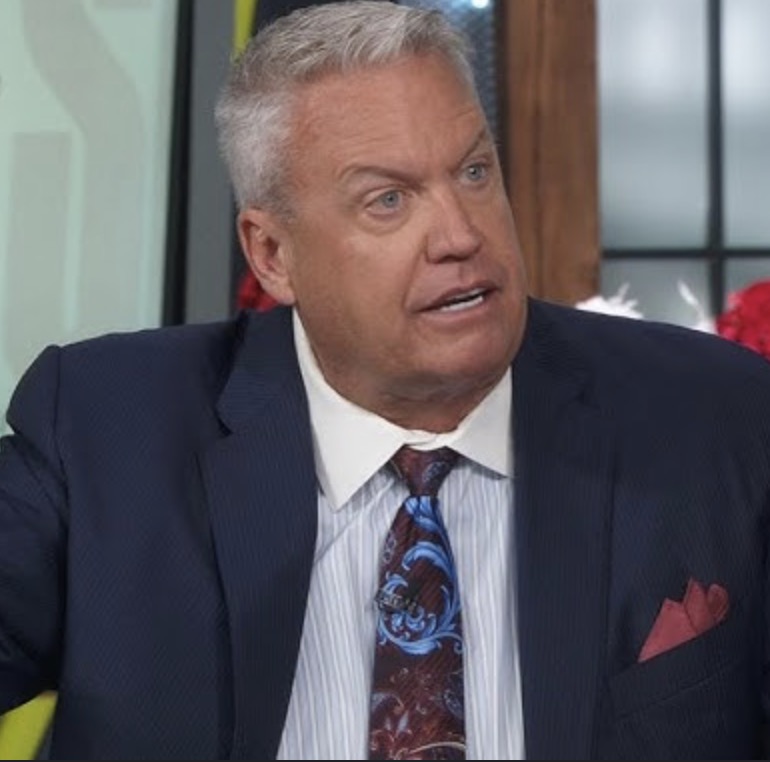
Let’s start with the fresh wound. Just days ago, on September 30, 2025, Rex Ryan unloaded on Cleveland Browns rookie quarterback Shedeur Sanders during an ESPN segment. Sanders, the highly touted son of Deion Sanders, had made headlines for confidently declaring himself ready for the NFL spotlight. Ryan? He wasn’t having it. “Something’s missing with this kid,” Ryan sneered. “This kid talks, he runs his mouth like he’s a—’I could be a starting quarterback in the National Football League right now.’ You should be embarrassed you’re not the quarterback.” He doubled down, labeling Sanders an outright “embarrassment” for his trash talk while sitting third-string.
The backlash was swift and scorching. Fans accused Ryan of injecting racial undertones into his critique, with one social media user blasting it as “underlying race hatred” and “disrespectful” toward Deion’s son. Shedeur’s mom, Pilar Sanders, fired back publicly, escalating the feud into a full-blown war of words. Even reports linked Sanders’ bizarre “mime show” at a press conference—where he silently gestured responses—to Ryan’s “embarrassment” rant, suggesting the young QB was tuning out the noise.
And Ryan? Crickets. No suspension. No on-air mea culpa. Just more airtime on First Take, where his hot takes are treated like gospel. This isn’t isolated—Ryan’s history is littered with similar shots at Black players. Back in 2011, former Giants RB Brandon Jacobs didn’t mince words, calling Ryan a “very disrespectful bastard” after the coach’s pre-game trash talk. Fast-forward, and the pattern holds: unfiltered, personal, and aimed at Black talent, with ESPN turning a blind eye.
The Tightrope for Everyone Else: Apologies on Demand
Contrast that with the gauntlet other ESPN voices face. Say something edgy? Prepare for the pink slip or public flogging. Take Rob Parker, a Black analyst suspended indefinitely in 2012 for questioning Robert Griffin III’s “Blackness” on Around the Horn—a commentary on RGIII’s interracial relationship and conservative leanings. Parker wasn’t hurling insults at an athlete’s character; he was opining on cultural identity. Yet ESPN yanked him off the air, citing insensitivity. Double standard much?
Or look at Chiney Ogwumike, ESPN’s WNBA analyst, who in May 2025 apologized profusely after criticizing Indiana Fever fans for alleged racist taunts toward Chicago Sky’s Angel Reese—only for the league to find no evidence. Ogwumike’s “fierce remarks” were advocacy for players of color, but she still had to eat crow on air. Ryan Clark, another Black ESPN staple, was recently forced into a public apology in September 2025 after “disrespecting” colleague Peter Schrager on live TV—hardly a career-ender, but ESPN demanded accountability.
Even white analysts aren’t spared the scrutiny if they veer too close to the line. Rebecca Lobo apologized in June 2025 after a innocuous comment about disagreeing in America during a WNBA broadcast sparked awkward silence and backlash. And Jack Morris was indefinitely suspended in 2021 for using an accent while mimicking Shohei Ohtani—playful to some, but deemed offensive enough for a timeout.
These aren’t cherry-picked outliers; they’re symptomatic of ESPN’s uneven enforcement. Black employees have long spoken out about “everyday racism” behind the scenes, from barriers to advancement to hypersensitivity around race-tinged commentary. Critics point to cases like Jemele Hill’s 2017 “white supremacist” tweet about Trump, where conservatives screamed double standard because she wasn’t suspended—yet her career at ESPN never fully recovered. Meanwhile, Ryan’s barbs? They boost ratings.
Why This Matters: Accountability Isn’t Optional—Unless You’re Rex
ESPN’s ecosystem thrives on bold personalities, but when that boldness disproportionately targets Black athletes without consequence, it perpetuates a toxic cycle. Ryan’s “get your ass in gear” undertone toward Sanders didn’t just sting—it echoed the kind of paternalistic shade that’s all too familiar in sports media. Fans are demanding Ryan apologize, with one calling his lies about Sanders “pulled out of his ass.” But will ESPN listen? History says no.
This double standard isn’t just unfair—it’s damaging. It silences diverse voices, rewards unchecked privilege, and undermines trust in the network. If ESPN wants to be the gold standard for sports coverage, it starts with equal rules for all. Rex Ryan included. Until then, the tightrope remains, and the fall is always one slip away—for everyone but him.
What do you think? Is Rex untouchable, or is this just the price of “real talk” in sports TV?