
The NBA trade deadline is less about deals than decisions. About moments when franchises must look at themselves honestly. At what or who they are, what or who they aren’t, and how much longer they can pretend otherwise.
Some teams leaned into that clarity. Others drifted. A few tried to outrun the clock and discovered it doesn’t slow down for anyone.
When the league exhaled, the standings hadn’t changed, but the futures had. Some subtly. Some violently.
The trade deadline doesn’t just reshuffle rosters, it exposes intent. It reveals which teams believe the moment is now, which are willing to wait, and which are still negotiating with versions of themselves that no longer exist. There were franchises that leaned into clarity and left the deadline lighter, more aligned, and easier to understand. Then there were others that hesitated, misread the market, or chose comfort over conviction.
With the dust settled, the lines between progress and stagnation are clear enough to trace.
Here are the winners who strengthened their direction, the losers who left value or opportunity behind, and the teams whose deadline swings will take time to fully reveal what they truly became.
Winners
Oklahoma City Thunder
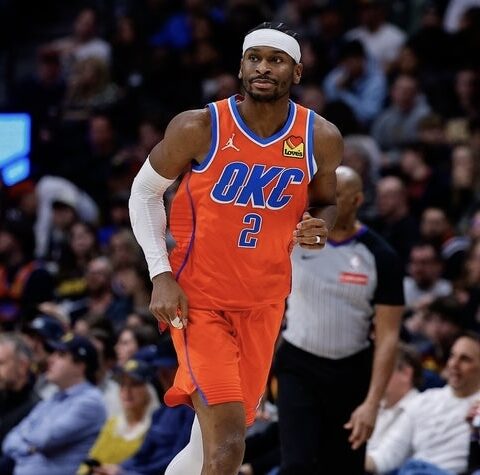
The Thunder continue to operate as if urgency is optional and precision is not. Acquiring Jared McCainfits that pattern perfectly.
Oklahoma City didn’t need a savior. They needed a stabilization and consistency. Someone who could shoot, make the extra pass, and keep the offense alive when the first option stalls.
McCain does that without asking for attention. He is still trying to work himself back from his meniscus injury last season and his thumb injury before the season so he still has work to do. But he complements rather than competes, which matters on a roster built around shared responsibility.
The price? A top four protected 2026 first round pick from Houston feels like a footnote, especially with the Rockets likely pushing that pick into the 20s.
This is how contenders are built quietly. Not by swinging wildly, but by smoothing friction.
Boston Celtics
Boston’s deadline was about acknowledging the moment. The Celtics are no longer waiting for something to happen with Jayson Tatum out, they are in the middle of it. Moving Anfernee Simons and a future second to bring in Nikola Vučević reflected that understanding.
Simons never fully aligned with Boston’s identity on the court while Vučević does. He adds gravity to the paint, a dependable offensive hub, and a presence that keeps possessions from unraveling. On a roster filled with movement and spacing, having someone who can slow the game without stopping it is invaluable.
This wasn’t much of a gamble. It was an adjustment, the kind that turns good teams into durable ones. For a team in the Eastern Conference that is wide open, adding a piece like Vučević with the potential of Tatum returning, makes them much more dangerous.
Atlanta Hawks
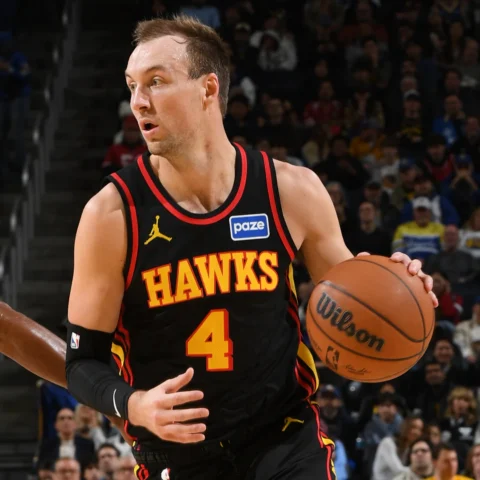
Atlanta finally chose to stop negotiating with the past. Trading Trae Young didn’t bring back a mountain of assets, but it ended a cycle that had been running on inertia for years. CJ McCollum and Corey Kispert may not define the future, but they stabilize the present and create room for something else to grow.
The decision to move Kristaps Porziņģis told the same story. The fit never settled (mostly due to health), the rhythm never stuck. Replacing him with Buddy Hield and Jonathan Kuminga trades elegance for energy, shooting, and upside.
The Hawks didn’t really solve everything. But they stopped pretending the same answers would eventually work and finally took a step in the right direction.
Minnesota Timberwolves
Deadlines aren’t always won by volume. Sometimes they’re won by accuracy. Minnesota’s acquisition of Ayo Dosunmu addressed a problem that had quietly lingered all season: consistent bench production.
Since losing Nickeil Alexander-Walker in free agency, the Wolves lacked a guard who could steady the second unit without hijacking it. Dosunmu brings the potential for defense, pace, and reliability which are traits that don’t dominate box scores every night but show up in close games.
This was a move made by a team that understands its margins.
Dallas Mavericks
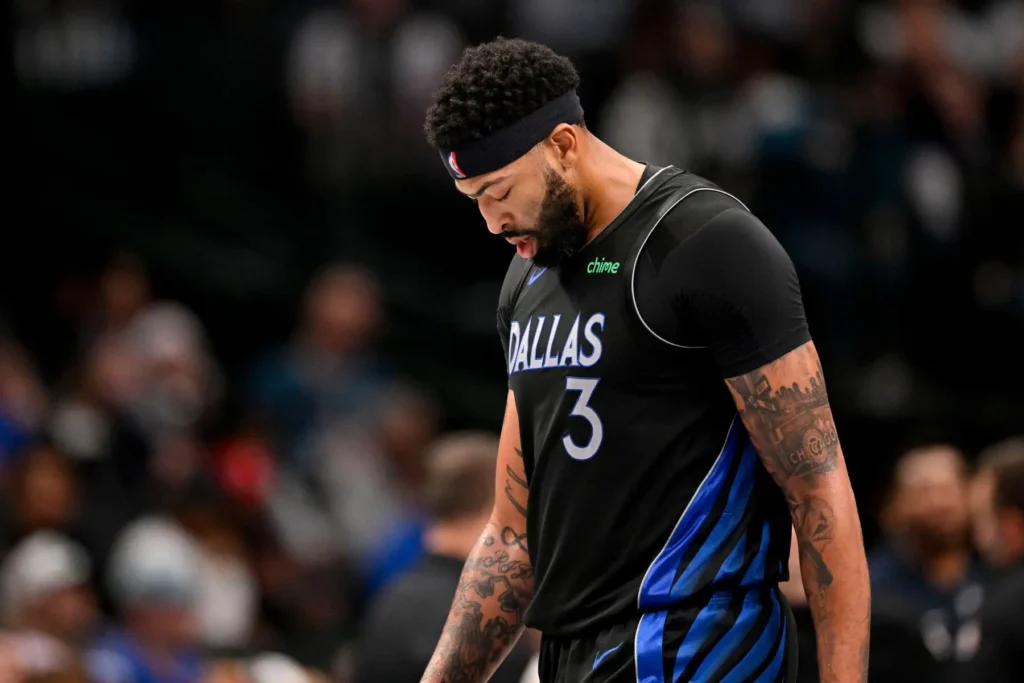
This deadline was about acknowledgment. About recognizing that some mistakes don’t heal with time, they only grow louder. The Luka Dončić trade already loomed as one of the most damaging in league history, and moving Anthony Davis made that reality impossible to ignore.
The return wasn’t glamorous: Khris Middleton on an expiring deal, young flyers, and a collection of future picks. But it did something more important. It cleared the noise. With Nico Harrison gone and Cooper Flagg now the only focal point, Dallas can finally commit to development without contradiction.
The win here wasn’t the trade itself. It was the course correction.
Losers
Chicago Bulls
The Bulls were active, but activity without leverage rarely changes outcomes. Seven trades should reshape a franchise’s future. This batch barely nudged it.
Chicago has clearly pivoted toward a rebuild, and that clarity matters. But the returns lacked weight. Assets left the building without enough coming back to justify the movement.
Rebuilds aren’t measured by motion. They’re measured by accumulation. And this one came up light.
The Bulls are far from the biggest loser but with everything they’ve given up, it should have netted more. That’s an indictment of the talent they had on the roster and the front office not being able to leverage better deals.
Golden State Warriors
Another deadline passed quietly in the Bay, and with it another season of Stephen Curry operating at a level that still bends defenses and expectations alike. The Warriors entered the deadline searching for a lifeline, something that could justify pushing forward rather than simply drifting, and left without finding one.
Golden State explored the biggest name on the market in pursuit of Giannis Antetokounmpo, but ambition alone doesn’t close deals. It became increasingly clear that the Warriors lacked both the assets and the leverage to really compete in that tier of trade talks. What followed felt less like a pivot and more like a concession.
Finally moving on from Jonathan Kuminga was overdue. His talent had long outpaced his role, and the tension between development and contention lingered unresolved. But flipping him for Kristaps Porziņģis did little to solve Golden State’s core issues. Porziņģis brings size and shooting, but also durability concerns and a fit that feels more theoretical than transformational.
The larger issue isn’t this one move, it’s the pattern. Year after year, the Warriors have chosen marginal adjustments over decisive ones, all while Curry continues to deliver seasons that deserve more. In a league that punishes hesitation, Golden State once again opted for restraint, and the cost is measured not in picks or contracts, but in time that can’t be reclaimed.
Memphis Grizzlies
Memphis tried to speak clearly and ended up contradicting itself. Trading Jaren Jackson Jr. and other rotation pieces signaled a desire to reset. Holding onto Ja Morant complicates that message.
The market may not have been strong, but partial rebuilds tend to linger in discomfort. Without alignment between direction and personnel, the Grizzlies risk existing in limbo with neither competing nor fully committing to the future.
And that space is unforgiving.
New Orleans Pelicans
The most dangerous move at the deadline is no move at all. Outside of trading Jose Alvarado, the Pelicans watched time pass while holding a roster filled with theoretical value.
Standing still can be as costly as making the wrong move, and the Pelicans proved it at this deadline. Despite holding a roster filled with assets that other teams crave with guys like Zion Williamson, Trey Murphy, Herb Jones, Jordan Poole, Saddiq Bey, and Jordan Hawkins who aren’t just players, they are currency in a market starved for flexibility and talent. Yet New Orleans held fast, seemingly waiting for offers that matched the value they imagined, rather than what the market was willing to provide.
The risk is clear: every day the team waits, the roster ages, the window narrows, and potential leverage slips away. In a league where timing is often as important as talent, holding out can turn opportunity into regret. The Pelicans’ assets are desirable, but no collection of pieces can compensate for a lack of clarity or urgency. The market does not always bend to patience, and if the Pelicans’ asking price continues to exceed reality, they risk leaving behind a season and a future that could have been reshaped.
This is the tension at the heart of New Orleans: a team rich in promise but still searching for direction. They have the tools to reset or accelerate, yet they chose caution over action and in doing so, they let the deadline slip past without signaling to the league whether they intend to build now or wait. The consequences of standing still may not show immediately, but they are quietly accruing, like interest on a debt that cannot be postponed.
To Be Determined
Washington Wizards
Washington chose volatility. Acquiring Trae Young and Anthony Davis without surrendering overwhelming value gives them real upside but also real risk. Pairing veteran stars with young talent like Alex Sarr, Tre Johnson, Kyshawn George, Bilal Coulibaly, and Bub Carrington could accelerate growth or fracture timelines.
The upside is obvious. A lineup that blends proven stars with developing wings could accelerate growth, push for a playoff spot, and even threaten deeper runs if everyone buys in. But the risk is equally real. Young stars and veteran stars each demand attention, usage, and control, and balancing that in real time is a fragile exercise. The Wizards now sit in a space where chemistry will define success.
There’s a version of this that works beautifully. There’s another that collapses quickly. The margin is thin, and the clock is loud.
Cleveland Cavaliers
The Cavaliers’ trade deadline was a study in balance. Between calculated upgrades and high risk gambles. Swapping De’Andre Hunter for Keon Ellis and Dennis Schröder appears straightforward on paper. Cleveland gained a young, defensive minded wing who can stretch the floor and a veteran scorer who can create instant offense.
Ellis offers the kind of length and versatility that bolsters rotations, while Schröder brings pace, energy, and a proven scoring punch when the offense stagnates. On this side of the ledger, the Cavs clearly improved, adding depth and flexibility to a roster that already carries promise.
The other side of the equation, however, carries far more uncertainty. Trading Darius Garland for James Harden is a bold, even controversial, move. Garland was part of the young core that were the faces of the franchise, a dynamic point guard capable of running the offense and generating for teammates. Harden, while still an elite scorer and playmaker, is a high-usage, ball dominant guard who now shares the floor with Donovan Mitchell, another ball heavy star.
The potential for fireworks exists. Both in the positive sense of offensive dynamism and in the negative sense of spacing and rhythm conflicts.
Cleveland’s gamble is clear and they are betting that talent, when combined, can override usage overlap and egos. If Harden and Mitchell learn to coexist, if Ellis and Schröder integrate seamlessly, the Cavs could accelerate their rise into serious contention.
If not, the team risks stagnation and missed development opportunities, locked in a lineup that may be difficult to untangle. For fans, the deadline was both thrilling and nerve-wracking, offering hope but demanding patience. The Cavs’ fate, for now, hinges on chemistry and chemistry, unlike trades, cannot be bought.
Los Angeles Clippers and Indiana Pacers
These two teams are tied together with the winner or loser being decided after the season.
The trade won’t be decided quickly. It will be judged in hindsight, somewhere between a lottery bounce and a late first round pick. The Clippers and Pacers are tied together by a deal that hinges less on players than on timing.
Los Angeles moved Ivica Zubac and Kobe Brown for Bennedict Mathurin, Isaiah Jackson, two future firsts, and a second. For the Clippers, it’s a bet on flexibility. Zubac provided nightly stability with screens, rebounds, and a physical inside presence. That stability alone doesn’t extend windows though. Mathurin brings upside and volatility, while the picks represent future choice.
The risk lies in the 2026 first round pick, protected 1-4 and 10-30. If it conveys late, the Clippers may look back having undersold a dependable center. Indiana, meanwhile, leaned into urgency. Zubac fits cleanly alongside Tyrese Haliburton and Pascal Siakam, giving the Pacers structure and size they’ve lacked.
But urgency cuts both ways. Indiana’s struggles make that protected pick dangerous. If it lands in the 5–9 range, the Pacers will have surrendered a premium asset in a deep draft. Which has a high chance of happening. Even if the Pacers finish with the worst record in the league they will have 47.9% chance of getting the 5th pick making this one of the biggest risks of the deadline.
One team will see this as foresight. The other will call it miscalculation. Only time, and the lottery, will tell.