

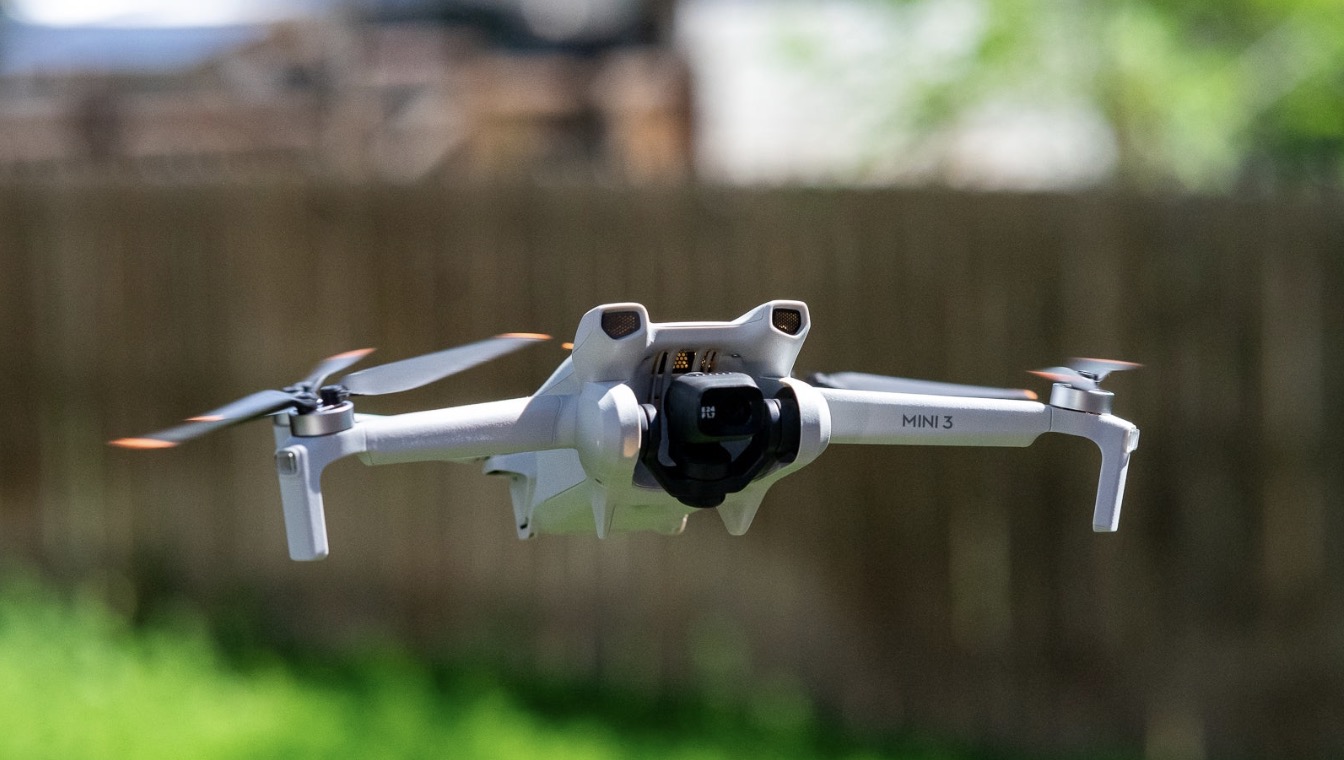
From smart stadiums to VAR, in the last few years, the sports industry has been revamped by technology. But there’s a not-so-recent invention that has truly revolutionised the way we broadcast, watch, and experience sports.
Unmanned aerial vehicles, or drones as they’re usually called, have now been widely adopted by the sports industry. Not only does the use of these flying eyes bring an exciting new life to the world of professional sports but their application spans over various aspects, and today we’re having a look at the main ones.
Drones and Stadiums: Venue Footage
Stadiums immediately come to mind when we think about the sports industry. One of the main uses of drones in sports is their ability to capture stadiums from a high perspective, which makes for incredibly immersive videos of these venues.
The concept of a video representation of a venue is quite common in the entertainment world, so it’s easy to see how sports stadiums could benefit from it. For instance, some online bingo sites use video run-throughs of their land-based bingo clubs to show what they look like inside. Combined with written text describing the experience and the “club finder” tool, this provides users with a rich exploration of what it’s like to play with this brand. It’s the kind of material that restaurants or shops like to make use of, where owners post similar videos on their websites to attract customers.
Drones take these videos to a whole new level thanks to the perspective they provide. In sports, drones can film impressive video tours of stadiums which are often used to show fans venue updates or to create an online 3D image of the stadium where fans can find where they’re seated in an upcoming match and check out what their view will be.
More Than Sports: Unmatched Entertainment
Drones go way beyond the sports arena – they are often known for their use in creating jaw-dropping light shows in the sky.
Their first use in a public television broadcast was in 2017, during Lady Gaga’s Super Bowl LI halftime show, where the NLF had 300 drones light up the sky in the shape of the American flag above Houston’s NRG Stadium. Since then, pre-game and halftime entertainment have become one of the main moments in sports, where drones (literally) shine their brightest.
Drone spectacles arguably had their highest peak so far two years ago at the 2020 Summer Olympics in Tokyo, when 1,800 drones illuminated the sky above Japan’s Olympic Stadium during the opening ceremony.
Watching Matches Like Never Before
In-stadium fans might get food delivered to their seat from the skies, but the use of drones in broadcasting means that viewers at home are in for an equally amusing treat. When it comes to broadcasting, drones can capture previously inconceivable angles of a game that helicopters or traditional static cameras cannot, providing an unmatched at-home viewing experience.
This is especially true in the case of winter sports, where a new type of custom-built, high-speed racing drone has fully revamped the live broadcast of sports like snowboarding or skiing.
Given their multiple purposes and advantages, it’s easy to see why the use of drones has grown so much in the last decade. Besides the ones we listed, drones are used in many more areas of the sports industry, such as aerial surveillance, security, sanitation, performance analytics and training, crowd control, and refereeing, among others.