

Art exists in many forms, although most of us only consider visual arts as an art form. Every form of art is inspired by something that exists in society. The link between sports and art is as deep as a rabbit hole, and the connection has been there for a long time. Just like social comments, wars, and various kinds of prohibitions inspire art, so does sport.
In a much better way than all the negative things, of course. As it definitely should. By itself, sport is competitive and inspiring, and that’s two ways it inspires art. Whether it’s Michael Jordan’s statue in front of the United Center or a chaotic depiction of iconic sports moments, there’s always been a link between sports and arts.
The Human Body as an Art Form
The human body has been one of the most appreciated figures in art. And not just modern art. Look at millennia behind and you’ll always find depictions of human figures in art. It was mostly carved figurines back there—like the Venus of Willendorf—, but nevertheless, the human figure has always been seen as a major art form.
Nowadays, there’s a definite obsession with looks mostly inspired by the unreal bodies athletes have. The general population doesn’t look like that at all. We’ve gotten a bit lazier over the years, sitting in front of our TVs or playing casino games on our computers and mobile phones. There’s no time in our ‘busy’ schedules for the gym, so as a society, we look much closer to the Venus figurines. Blame it on the top picks on casinos.com or Netflix and social media platforms, but that’s the way it is.
Compared to the general body shape, athletes always look in top shape. That’s the kind of body art has always idolized. From ancient Greek statues to modern pieces, the athletic body is the ideal form of figure art. With sport being heavily advertised and marketed these days, sports players have become a major inspiration in modern art. That’s mostly digital art nowadays, but still a form of art anyways.
It’s been like that in the past too. Ernie Barnes, a former American football player turned artist was fascinated with elongated athletic body shapes. His artwork was criticized by many, but there’s something appealing in those elongated forms that made his art such a big hit. Barnes was more successful as an artist than a pro football player, discovering his real love after retiring.
There’s a social element in his works and the works of others that many can’t grasp. Take the women of color in sports, for example. They’ve changed the historical landscape of sports via inclusion. It completely changed how everyone markets sports, and was a pivotal moment in its history. Furthermore, such social elements deepened the link between sports and art, using art pieces as a social comment on people of color and their hardships. We’ve seen the same repeat much later with the Black Lives Matter campaign, when many athletes raised their voice on social media, turning into heroes for the Afro-American community.
As a sign of respect, many digital artists have created social media art depicting the most famous quotes by major athletes, including the likes of LeBron James.
How Pop Art Changed It All
If we trace back the origins of sports in art, we can go back a long while. However, it was the pop art movement in the mid-1950s that popularized this movement. In one letter to his friend, artist Richard Hamilton described pop art as art for the mass audience. He said it was easily forgotten and relatively low-cost, using celebrities, bright colors, and even brands to wow the audience. While true pop art itself is hard to find these days, it gave birth to a movement half a century later that translates to street art, graffiti, and murals.
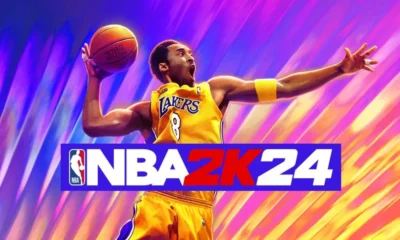
Everywhere you look, there’s some kind of street art depicting fallen celebrities. These are most notable musicians and athletes. Death is an unfortunate part of life, and many athletes perish too young. The death of basketball legend Kobe Bryant years ago touched the heart of the pandemic world, with millions paying their tribute. It took just weeks for the first murals with Bryant’s likeness to appear in all parts of the world. It’s another major proof of how sports inspire art, even if you don’t agree with visual art forms such as murals and graffiti.
Motivational Sports Art
Lately, there’s been a new digital art trend known as motivational sports art. It’s a new genre that combines the dynamic world of sports with the power of emotions through art. Unlike other forms of sports arts that tend to celebrate athletes, this form depicts moments of triumph, teamwork, and competition.
As you might guess, the primary purpose of this form of art is to inspire others. To follow their dreams, be a better version of themselves, or to never back down. It uses major celebrities from the world of sports, champions that have never turned their back on the team. This inspirational form of art can often be seen on social media posts, and has grown from a fringe form of art to a very popular one.
Conclusion
Sports art has a very high impact on our society. If you think deeply about it, it teaches us things about resilience, motivation, and how much hard work pays off. It teaches us to follow and not back down on the road to success. Motivational sports art creates a community among fans, uniting them through the power of experiences and emotions.
Sports art shapes our perception of athletes – many of them our heroes. These paintings and murals all over the world celebrate the right kind of people. Those who persevere and who know how to win. The world is in a bad place right now, and we need more inspirational forms of art to make it better. Sports moments and athletes present a perfect opportunity, so the future of sports in art is very much secure.