

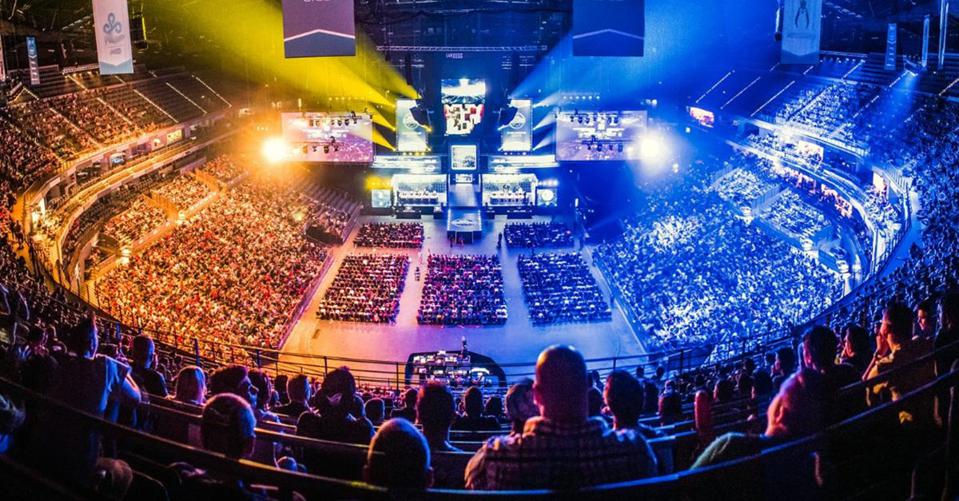
In recent years, the world of competitive video gaming, better known as e-sports, has exploded in popularity. This digital wave has turned what used to be a leisure activity into a worldwide craze, building a business worth billions. From the early days of arcade showdowns, e-sports has grown into a massive field with professional teams, big tournaments, and a fan base that spans the globe. Let’s dive into how e-sports has grown, its roots, what’s happening now, and what might happen next.
The Two Sides of E-sports Betting
Mixing electronic sports with betting has spiced things up, making it look more like traditional sports betting. This mix has made electronic sports even more thrilling to watch and has brought in folks who might not have been interested in gaming before. People are betting on game outcomes, how well players will do, and other things that happen in games, thanks to websites that focus on e-sports betting, like a review of yyy casino site. But, this betting side also brings up issues about rules, keeping things fair, and the risk of gambling problems.
How E-sports Started
Electronic sports took its first steps in the dim arcades of the late 20th century, with gamers battling for top scores on classics like Pac-Man and Space Invaders. The 1980 Space Invaders Championship, which drew in thousands, was the first big gaming contest. It showed that gaming could be more than just a fun activity—it could be a sport people watch. As technology got better, so did gaming contests. The rise of the internet in the ’90s and early 2000s made it possible for players around the world to compete, making electronic sports a global thing.
The World of E-sports Today
Now, electronic sports covers a bunch of different games. There are team games like ‘League of Legends’ and ‘Dota 2’, and shooter games like ‘Counter-Strike: Global Offensive’ and ‘Overwatch’. These games are part of tournaments that go from small local ones to huge international events that pack stadiums. The way these events are put on is as professional as traditional sports, with expert commentary, live broadcasts, and big money prizes. E-sports events have become big shows, attracting not just gamers but all kinds of viewers.
The Big E-sports Family
The electronic sports world is huge, with more than just players and games. It includes teams, leagues, companies that sponsor events, advertisers, broadcasters, and a growing number of fans. E-sports teams work a lot like traditional sports teams, with a lineup of players, coaches, analysts, and support staff. These teams compete in leagues and tournaments set up by game makers or independent groups. Sponsorships and ads are big in e-sports, with all kinds of brands wanting to connect with the electronic sports crowd.
E-sports Goes Mainstream
E-sports has gotten a lot of attention, with big TV networks like ESPN and the BBC showing tournaments. Colleges are giving out scholarships to electronic sports players, and some countries are even letting pro gamers come over on athlete visas. This kind of recognition has made e-sports more legit, bringing in more money and making it more popular. The electronic sports world is also getting into mobile gaming, which is a big deal in places where lots of people use smartphones, like Southeast Asia.
Tech and New Ideas in E-sports
Tech and new ideas have been key to e-sports’ growth. Better gaming gear, streaming tech, and faster internet have made playing and watching electronic sports better. Virtual reality (VR) and augmented reality (AR) might bring new ways to enjoy electronic sports. Artificial intelligence (AI) is also getting in on the action, giving teams new insights into how to play better.
E-sports as a Business
E-sports is making a lot of money, with cash coming in from media rights, ads, sponsorships, selling stuff, and ticket sales. The e-sports market is worth over a billion dollars and is expected to keep growing. This success has drawn in investors from traditional sports and entertainment, helping electronic sports grow even more.
Community and Culture in E-sports
At its heart, electronic sports is all about community. Online platforms and social media let fans and players connect, creating a strong sense of belonging. E-sports events often have fan zones and meet-and-greets, making the community even stronger. E-sports is also making waves in music, fashion, and TV, and sparking conversations about digital health, being inclusive, and seeing gaming as a real career choice.
E-sports’ Hurdles and Hot Topics
But electronic sports isn’t without its problems. Things like players getting too stressed, cheating, and online bullying are issues. Without one group in charge of everything, the rules can be different depending on the game or place. There’s also debate about whether e-sports should be considered a “real” sport, which affects whether it might be in the Olympics one day.
What’s Next for E-sports
Looking ahead, electronic sports seems set to keep growing. We might see electronic sports more in schools and even in VR and AR. E-sports in the Olympics could bring it even more attention. As electronic sports gets more established, there might be clearer rules and more focus on taking care of players. E-sports is likely to blend more with new tech and entertainment, making it not just about gaming but about being part of exciting, interactive experiences.
Wrapping Up
To wrap it up,electronic sports has gone from a niche hobby to a worldwide sensation, drawing in millions with its mix of competition, fun, and community. Its story shows how digital tech is changing culture and society. As electronic sports keeps evolving, it’s set to shake up entertainment, challenge old ideas about sports, and open new doors for people to come together and innovate. The path ahead for e-sports is as thrilling as it is unknown, and it’s sure to keep us watching and wondering what’s next.