
Miami’s defensive line is one of the strongest in the playoff field, with 41 sacks this season, making it a tough matchup for Ohio State’s offensive line, which has allowed only 11 sacks but showed vulnerabilities recently. The Buckeyes’ OL will be without starting right guard Tegra Tshabola due to an injury, potentially weakening their protection. Research suggests this could give Miami an edge in pressuring quarterback Julian Sayin, though Ohio State’s depth might mitigate the impact. Both teams feature elite defenses, so the game may come down to minimizing turnovers and controlling possession, with Ohio State favored but Miami capable of an upset if they exploit the line.
Trench Battle: Miami’s DL vs. Ohio State’s OL
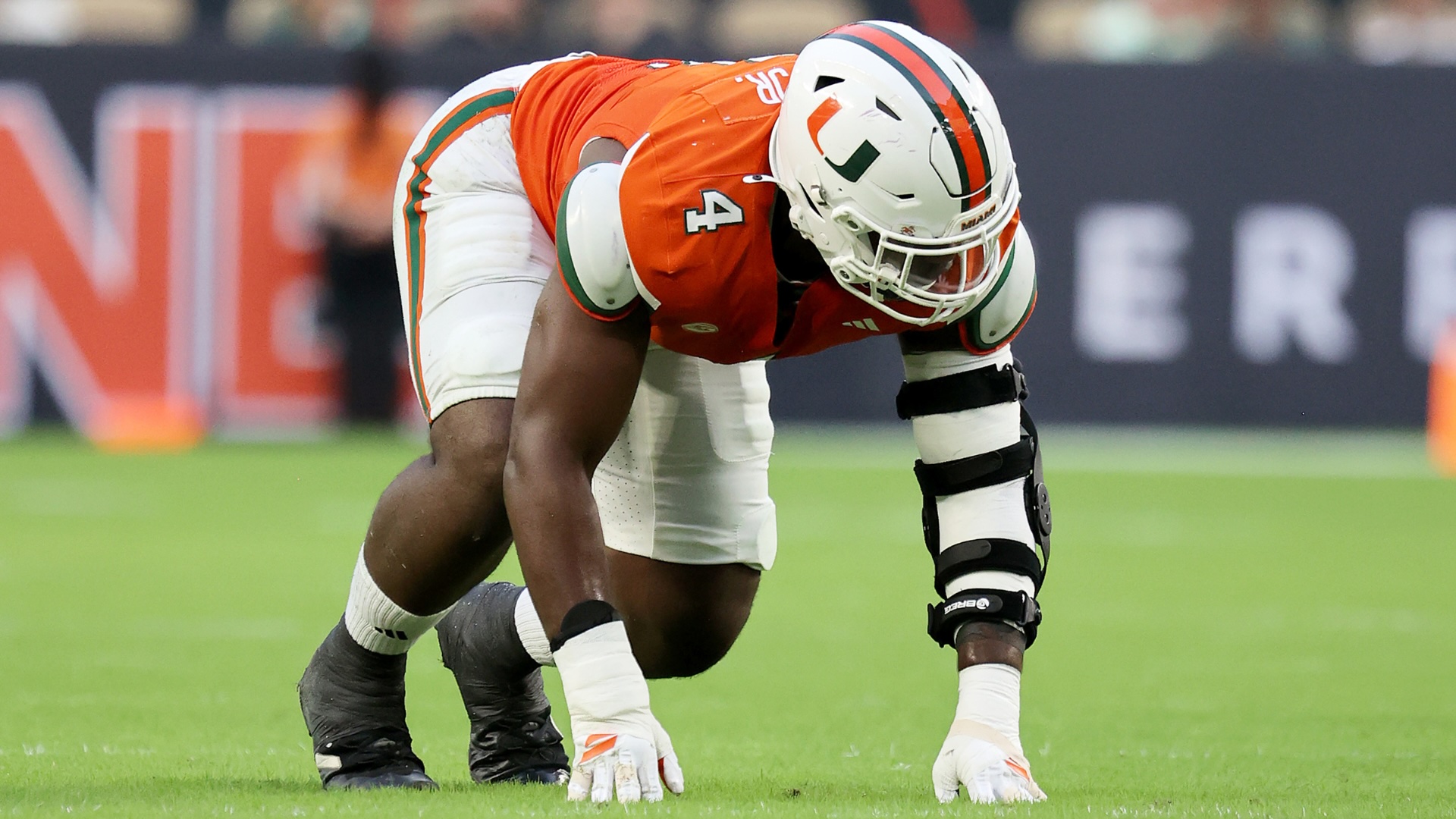
Miami’s front, led by edge rushers like Rueben Bain Jr. and Akheem Mesidor, excels at generating pressure and stopping the run. Ohio State’s line has been solid but will rotate Gabe VanSickle and Joshua Padilla at right guard in Tshabola’s absence, which could create opportunities for Miami to disrupt plays.
Key Offensive and Defensive Matchups
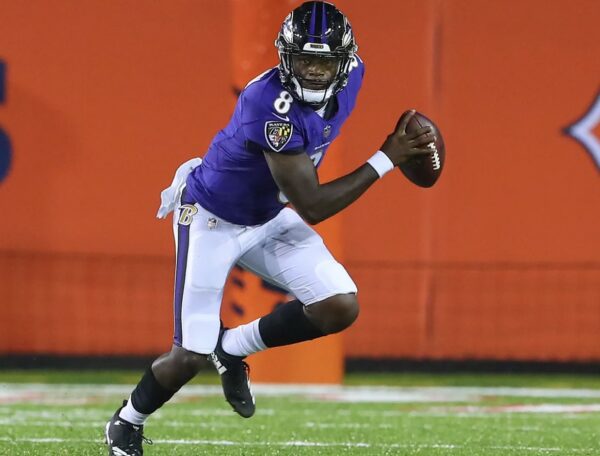
Quarterback efficiency will be crucial, with both Carson Beck (Miami) and Julian Sayin (Ohio State) needing to avoid interceptions in what projects as a low-scoring game. Running games face stiff tests against top run defenses, and special teams could provide hidden edges.
Keys to Victory
For Miami, focus on pressuring Sayin, integrating versatile players like Malachi Toney, and staying disciplined. Ohio State should protect their QB, win third downs, and lean on playmakers like Jeremiah Smith to control the pace.
As we gear up for the College Football Playoff quarterfinal in the Cotton Bowl on December 31, 2025, pitting the No. 10 Miami Hurricanes against the No. 2 Ohio State Buckeyes, all eyes are on the trenches where Miami’s formidable defensive line could clash dramatically with Ohio State’s offensive front. Miami enters with an 11-2 record, fresh off a strong first-round win over Texas A&M, while Ohio State boasts a 12-1 mark and a reputation for postseason dominance. This matchup feels like a classic battle of strengths, with both squads emphasizing stout defenses and methodical offenses that prioritize ball control over fireworks.
Let’s start with the heart of the query: how good is Miami’s defensive line, and how does it measure up against Ohio State’s offensive line? Miami’s DL has been a disruptive force all season, racking up 41 sacks and 301 tackles for loss, metrics that rank them among the best in the nation at getting after the quarterback and stuffing runs. Key players like junior edge rusher Rueben Bain Jr., who bounced back from injuries to notch 7.5 sacks and 43 tackles, and redshirt senior Akheem Mesidor, with 8.5 sacks and 61 tackles, anchor a unit that’s deep and experienced. They’ve added transfers like David Blay Jr. and freshmen standouts such as Armondo Blount and Marquise Lightfoot, creating a rotation that keeps legs fresh and pressure consistent. Against the run, they’ve held opponents to about 86.6 yards per game, though broader stats show around 152 yards allowed over the full schedule, still impressive for forcing teams into passing situations where their pass rush shines. In their playoff opener, they notched seven sacks, a testament to their ability to take over games.
On the flip side, Ohio State’s offensive line has been a reliable protector, surrendering just 11 sacks across 13 games while paving the way for 163 rushing yards per contest. Starters include Austin Siereveld at left tackle, Luke Montgomery at left guard, Carson Hinzman at center, and Phillip Daniels at right tackle. However, a significant wrinkle here is the absence of starting right guard Tegra Tshabola, who’s sidelined for multiple weeks with an undisclosed injury. This forces the Buckeyes to rotate redshirt freshman Gabe VanSickle and sophomore Joshua Padilla at the position, potentially introducing some inconsistency. Others feel like this is an upgrade since Tshabola has not been excellent this year. Tshabola’s injury comes at a tough time, as the line already showed cracks in the Big Ten championship, allowing five sacks against Indiana. With quarterback Julian Sayin holding the ball for an average of 3.42 seconds before throwing—tops in the nation for completion percentage—this matchup could see Miami’s aggressive front exploiting any protection breakdowns, especially if the replacements struggle to gel. It’s a scenario where Miami’s sack-leading unit might create turnovers or short fields, but Ohio State’s overall depth and coaching could help them hold firm in a grind-it-out affair.
Moving beyond the lines, this game has layers of intrigue in other key areas. Both defenses are elite: Ohio State leads the country in points allowed at 8.8 per game, total yards at 217.5, pass defense at 133.8 yards, and ranks fifth against the run at 83.7 yards surrendered. Miami isn’t far behind, sitting at No. 6 in scoring defense (13.8 points) and run defense (86.6 yards). Offenses mirror this conservatism—Ohio State averages over 31 seconds per play, the longest nationally, leading to possessions exceeding 33 minutes. Miami scores 31.2 points per game on 402.6 yards, driven by quarterback Carson Beck’s 74.3% completion rate and running back Mark Fletcher Jr., who rushed for 172 yards in the first round. But both QBs have turnover tendencies—Beck with 10 interceptions, Sayin with recent picks—so ball security in a projected low-scoring game (under 42.5 points is a popular bet) will be paramount.
The running games add another dimension. Miami’s ground attack faces Ohio State’s brick-wall run defense, which could limit Fletcher and force more from Beck. Conversely, Miami’s front might bottle up the Buckeyes’ average rush, pushing Sayin to air it out more than preferred. Receivers and special teams could swing things too: Ohio State’s Jeremiah Smith and Carnell Tate are explosive threats who might stretch Miami’s secondary if the Buckeyes deviate from their safe play-calling under Ryan Day. For Miami, freshman All-American Malachi Toney, with 1,359 all-purpose yards (22nd in FBS), brings versatility through returns and gadget plays—he needs more touches after a quiet opener to exploit mismatches. Third-down efficiency stands out as a battleground; Miami allows just 31.4% conversions (13th nationally), while Ohio State ranks No. 2 defensively. Red-zone success, where Miami converts at 92%, might force field goals in tight spots, amplifying the importance of discipline—Miami had only four penalties in their first playoff game.
Predictions lean toward Ohio State as 9.5-point favorites with a 70.5% win probability, often in scores like 24-16, but Miami’s momentum from an 11-2 campaign and their defensive disruption potential hint at upset possibilities. The winner heads to the Fiesta Bowl, adding stakes to this New Year’s Eve clash.
To wrap up with some keys to victory: Miami should prioritize generating pressure with Bain and Mesidor to rattle Sayin, weave Toney into the offense for big plays, avoid penalties, force turnovers, and establish just enough run balance to keep drives alive. Ohio State needs to shore up protection on third downs (they went 4-of-12 against Indiana), neutralize Toney’s multi-threat role, execute efficiently on key downs, and maintain their possession-heavy script while unleashing Smith in pivotal moments. Trends favor the under hitting, and Ohio State’s 7-0 ATS record against top-25 scoring defenses bodes well. This has all the makings of a defensive slugfest where the more resilient team advances.