
Recently, Tommy Reamon Jr. wrote about the risks of artificial intelligence in high school football.
He discussed how Highlights, rather than the evaluation itself, have traditionally been used as a marketing tool. Because of this backdrop, the current increase in AI-manipulated highlight recordings is particularly noticeable. You can identify authenticity if you’ve examined enough real movies. Additionally, you can tell when something is made.
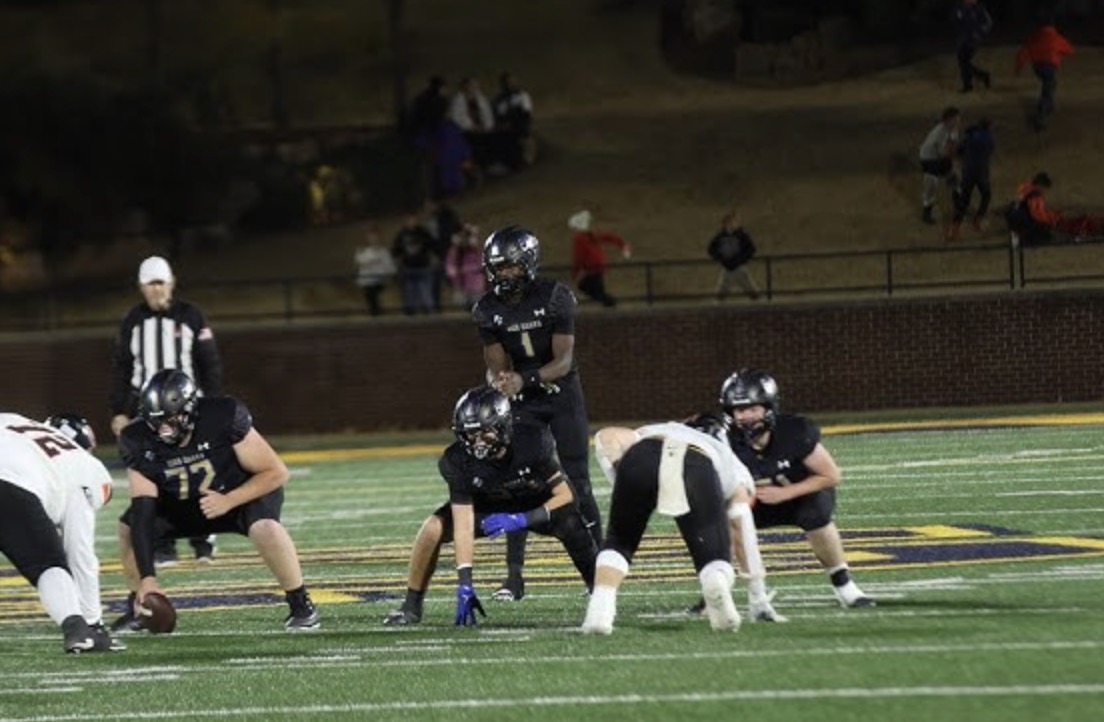
In high school football, where highlight clips serve as the main medium of exposure, artificial intelligence has subtly made its way into the recruiting process. A three- to five-minute video can generate national notice, camp invitations, and scholarship discussions.
He wrote :
AI manipulation can take several forms. Some edits involve inserting plays that never happened. Others alter jersey numbers, adjust defensive alignments to make reads appear cleaner, fabricate ball velocity or trajectory, or splice unrelated clips together to simulate dominance. To the casual viewer online, these edits may appear seamless. But experienced evaluators notice inconsistencies quickly. Defender reaction timing feels unnatural. Scoreboards do not align with game flow. Body mechanics do not match the situation. College programs rarely recruit solely from highlights. They request full game film through verified platforms like Hudl, cross reference rosters, confirm opponents, and evaluate complete series. Once film does not align with verified footage, trust is immediately compromised.
You can read his full post here.