
After ranking among the slowest offenses in college football last season, Ohio State has deliberately increased its operational tempo under new offensive coordinator Arthur Smith, turning pace into a situational weapon rather than a constant approach.
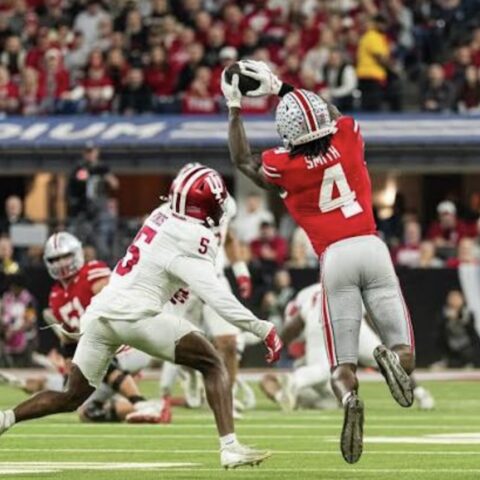
The Buckeyes averaged roughly 31.6 seconds per play in 2025, one of the slowest rates in the FBS, according to TruMedia data. That methodical style produced efficiency during the regular season but left the offense vulnerable when it needed to generate explosive plays quickly in postseason losses to Indiana and Miami.
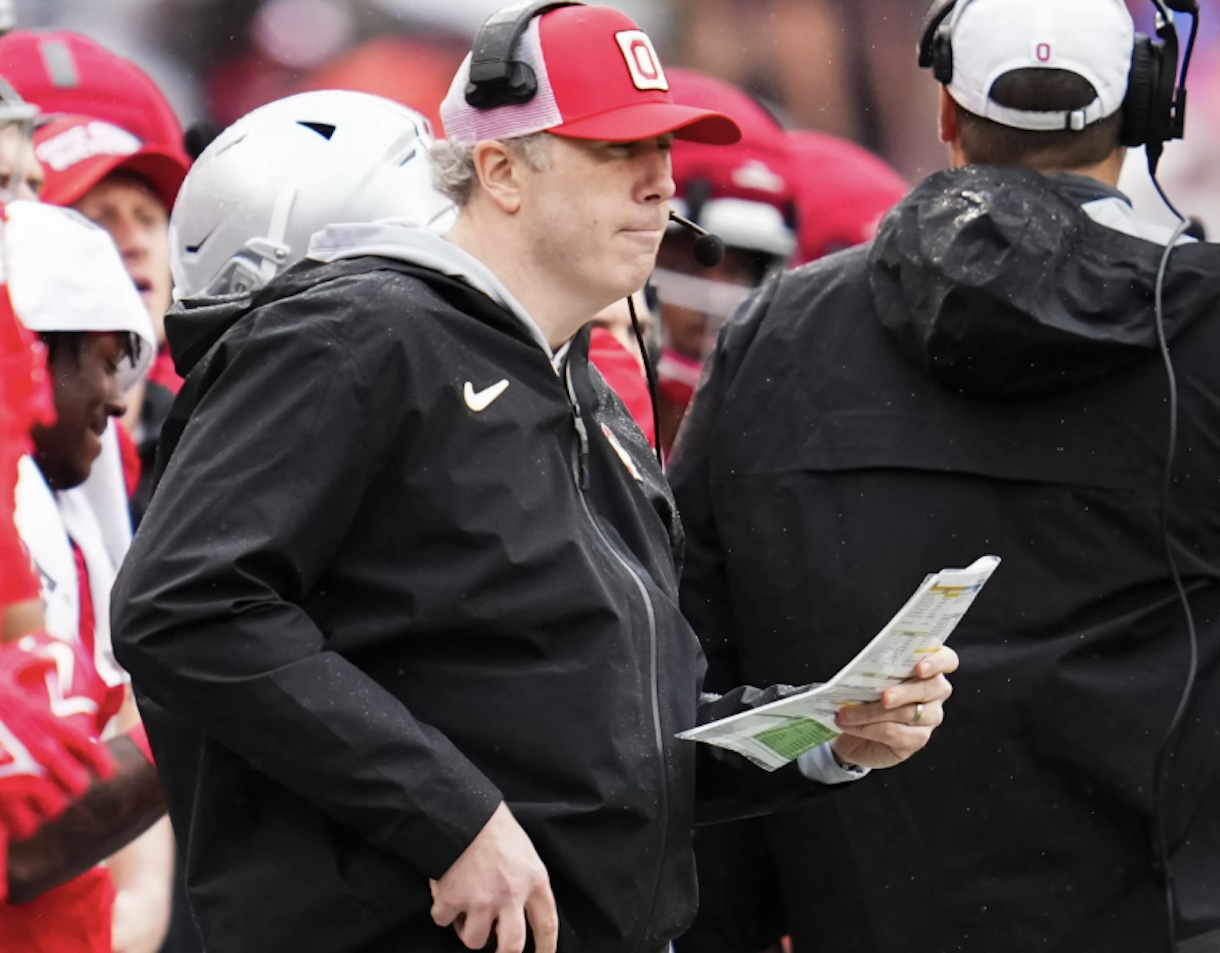
Smith, hired after more than 15 years in the NFL as an offensive coordinator with the Tennessee Titans and Pittsburgh Steelers and as head coach of the Atlanta Falcons, has not transformed Ohio State into a pure no-huddle team. Instead, he has emphasized variable tempo, cleaner play-calling and the use of cadence to keep defenses from settling into predictable looks.
“You got to use it as a weapon,” Ohio State coach Ryan Day said on his radio show in early September. “We’ll typically be in the huddle a lot of times, but there are a lot of different ways that we can change up the cadence, change up the tempo, move quickly — and it’s not just the same tempo all the time with him.” Day added that Smith arrived with a clear plan for mixing speeds, and the players have bought in.
The results have shown up in the numbers and on the field. Through six games, Ohio State is averaging approximately 68-70 plays per game and ranking significantly higher nationally in pace metrics than it did a year ago, while also posting higher scoring and explosive-play totals. The offense has generated more passes of 20-plus yards and improved yards after catch by getting the ball out quickly in space.
Situational tempo has been especially effective. Against Iowa on Oct. 3, the Buckeyes executed a nine-play, 84-yard touchdown drive in just 1 minute, 36 seconds before halftime, scoring with 12 seconds remaining. It marked the fifth consecutive game in which Ohio State scored late in the first half on a quick, efficient drive. On that series, Smith and the staff used tempo to force Iowa into a pass-rush personnel package, then attacked with the run, including a key scramble by quarterback Julian Sayin and a 16-yard gain by Bo Jackson.
At the same time, the Buckeyes have retained the ability to slow the game down. In the same contest, they closed with a 16-play, 55-yard drive that consumed the final 9½ minutes while protecting a lead.
“If we’re struggling to get things going, I think that would be a great opportunity to inject some tempo to get the guys moving,” Day said after the Iowa game. “But there’s no question that there is a little bit of a rhythm to a tempo that changes the pace for the guys on defense.”
Players have described Smith’s approach as structured rather than overly complex. Running back Isaiah West noted that the staff focuses on “being brilliant in the basics” and teaching clear reads on zone runs. Wide receiver Brandon Inniss has highlighted an emphasis on getting the ball in space quickly so receivers can create after the catch.
Smith has also incorporated more under-center looks, motion and personnel variety while still operating primarily from the shotgun. The goal, according to those around the program, is unpredictability in the snap timing and the ability to accelerate or decelerate based on the situation, personnel and opponent.
Ohio State is not expected to become a high-volume, all-tempo outfit that runs 80-plus plays every week. With longer seasons and the need to preserve depth, Day and Smith have prioritized efficiency and the ability to change gears. The early evidence suggests that selective tempo, combined with a more purposeful scheme and experienced play-calling, has already made the Buckeyes’ offense less predictable and more capable of finishing drives when the clock becomes a factor.