
Sports injuries can be a significant setback, but with the right approach, recovery is achievable. In this guide, we’ll explore various strategies for overcoming sports injuries and getting back to peak performance.
Understanding Sports Injuries
Definition of Sports Injuries
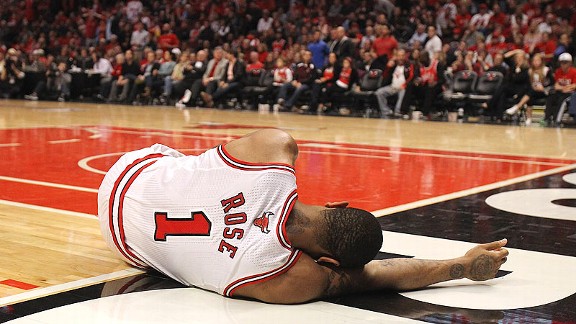
Sports injuries refer to injuries that occur during athletic activities. These can range from minor sprains and strains to more severe injuries like fractures and dislocations. Understanding the nature of these injuries is the first step towards effective treatment and recovery.
Common Types of Sports Injuries
The most common sports injuries include:
- Sprains and Strains: Injuries to ligaments and muscles/tendons.
- Fractures: Breaks in the bone.
- Dislocations: Joints being forced out of their normal position.
- Concussions: Brain injuries due to impact.
- Tendinitis: Inflammation of a tendon.
Immediate Steps After Injury
Assessing the Injury
The first step after sustaining a sports injury is to assess its severity. Look for signs of serious damage, such as severe pain, swelling, inability to move the affected area, or visible deformities. In such cases, seek medical attention immediately.
First Aid for Sports Injuries
The R.I.C.E method is a standard first aid approach for many sports injuries:
- Rest: Avoid using the injured area.
- Ice: Apply ice to reduce swelling and pain.
- Compression: Use a bandage to provide support and decrease swelling.
- Elevation: Keep the injured area raised above heart level to reduce swelling.
Professional Treatment and Rehabilitation
Consulting Healthcare Professionals
For a proper diagnosis and treatment plan, consult healthcare professionals such as sports physicians, orthopedic surgeons, or physical therapists. They can provide tailored advice and treatment options based on the specific injury.
Physical Therapy
Physical therapy plays a crucial role in the recovery process. It helps restore movement and strength to the injured area through targeted exercises and techniques. Common methods include:
- Manual Therapy: Hands-on techniques to improve mobility.
- Therapeutic Exercises: Specific exercises to strengthen muscles and improve function.
- Modalities: Use of heat, ice, ultrasound, or electrical stimulation to reduce pain and enhance healing.
Surgical Interventions
In some cases, surgery may be necessary, especially for severe injuries such as torn ligaments or fractures that do not heal properly. Post-surgical rehabilitation is essential to regain full function and strength.
At-Home Recovery Tips
Rest and Recovery
Adequate rest is vital for healing. Overexertion can worsen the injury and delay recovery. Pay attention to your body and avoid activities that cause pain or discomfort.
Nutrition for Healing
Proper nutrition supports the healing process. Focus on:
- Protein: Essential for tissue repair.
- Vitamins and Minerals: Such as Vitamin C, Vitamin D, and calcium for bone and tissue health.
- Anti-Inflammatory Foods: Like fruits, vegetables, nuts, and seeds to reduce inflammation.
Mental Health and Sports Injuries
Injuries can take a toll on mental health. Stay positive and motivated by setting small recovery goals, staying connected with your support network, and seeking professional help if needed.
Prevention of Future Injuries
Proper Warm-Up and Cool-Down
Warming up before exercise and cooling down afterward are crucial to prevent injuries. Effective techniques include dynamic stretching before activities and static stretching post-activity.
Strength Training and Conditioning
Strength training builds muscle resilience and supports joints, reducing the risk of injury. Incorporate exercises that target major muscle groups and improve overall conditioning.
Using Proper Equipment
Wearing appropriate protective gear and ensuring it fits correctly can prevent many injuries. Regularly check and replace worn-out equipment.
Returning to Sports
Gradual Return to Activity
Returning to sports should be a gradual process. Start with low-intensity activities and slowly increase intensity based on your progress and how your body responds.
Listening to Your Body
Pay attention to any pain or discomfort. These can be warning signs that you’re overdoing it. Adjust your workouts accordingly to prevent re-injury.
Working with Coaches and Trainers
Professional guidance is crucial for a safe return to sports. Coaches and trainers can help you develop a personalized plan that takes your injury and recovery progress into account.
Conclusion
Overcoming sports injuries requires patience, dedication, and the right strategies. By following proper recovery protocols and taking preventive measures, you can return to your favorite activities stronger and more resilient.
FAQs
What should I do immediately after a sports injury?
Apply the R.I.C.E method: Rest, Ice, Compression, and Elevation. Assess the injury’s severity and seek medical attention if necessary.
How can I speed up my recovery from a sports injury?
Focus on rest, proper nutrition, physical therapy, and following your healthcare provider’s advice. Avoid rushing the recovery process.
When should I see a doctor for a sports injury?
If you experience severe pain, swelling, inability to move the affected area, or if the injury doesn’t improve with basic first aid, see a doctor.
What are the best exercises for preventing sports injuries?
Strength training, flexibility exercises, and proper warm-up and cool-down routines are essential for injury prevention.
How can I maintain my fitness while recovering from a sports injury?
Engage in low-impact activities that do not stress the injured area. Consult with a physical therapist to design a safe exercise plan.