

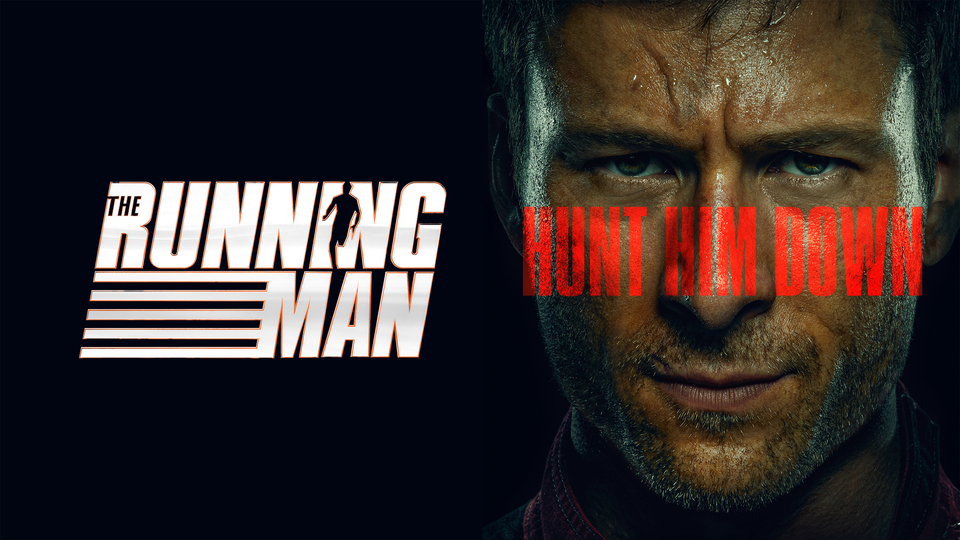
When news first surfaced of a reimagining of The Running Man, the knee-jerk expectation for fans of the 1987 Arnold Schwarzenegger classic was simple: gratuitous, escapist action devoid of much social commentary. After all, the original was a muscular, over-the-top commentary on media consumption, but primarily functioned as a popcorn thriller, a product of its time.
Yet, director Edgar Wright and star Glenn Powell have defied that expectation with a new version that not only retains the heart-pounding action but injects a startling amount of timely substance, making it perhaps even more resonant than its predecessor. This isn’t just a remake; it’s a re-evaluation, a film that understands the core concept but rebuilds it for a modern audience grappling with its own anxieties.
Powell, portraying the lead protagonist, finds himself in a post-war America sharply divided between the “haves and have nots.” While the action sequences remain top-notch—a visceral, brutal ballet of survival against the state’s deadly “Stalkers” and the game show’s manipulative machinations—what truly elevates this film are the underlying messages. Given the current climate of economic and social division in the country, the film’s themes hit with unnerving precision. It keenly observes how being a good person and committing to moral actions often lead not to reward, but to hardship and persecution in this fractured society, where loyalty and ethics are liabilities.
The emotional core that grounds the film is the powerful notion that a person will risk almost anything for their family, a hook established in the opening scene and carried through Powell’s desperate fight for survival. This primal motivation makes his perilous journey incredibly relatable. More surprisingly, the film dares to suggest a radical, almost “crazy” idea for this dystopian world: that people, regardless of their societal class or the propaganda they’re fed, are not so different if they simply pause the violence and engage in genuine conversation. This glimmer of hope, however fleeting, provides a compelling counterpoint to the film’s otherwise grim outlook.
The cast, beyond Powell’s strong central performance, is a significant reason for the film’s success. Colman Domingo delivers a masterful performance as Bobby Thompson, the charismatic yet chilling host of The Running Man. Domingo doesn’t just play a villain; he embodies the insidious nature of televised manipulation. He projects a slick, almost paternalistic charm that masks a ruthless efficiency, making him a truly memorable antagonist who feels frighteningly real in an era of media strongmen. His control over the narrative, both on-screen and off, is palpable.
Equally compelling is Michael Cera as Bradley Throckmorton, a character who initially appears to be a mere technician but proves to be far more complex. Cera, often known for his understated comedic roles, brings a nuanced intensity to Throckmorton, showcasing a depth that adds another layer to the film’s exploration of complicity and conscience within a corrupt system. His performance helps underscore the moral compromises made by those who maintain the status quo.
The filmmakers also demonstrate a keen awareness of the modern digital landscape. The Running Man cleverly works themes of AI and the dangers of misinformation into its narrative fabric. The film shows how media can be instantly manipulated with deepfakes and biased narratives to frame events and control public opinion, creating a chillingly familiar portrait of state propaganda. That the writers and directors managed to weave this intricate thread of technological deceit while keeping Powell’s character continuously battling for his life is a testament to the script’s focus and intelligence. It’s a terrifying look at how easily reality can be bent and twisted to serve an agenda.
The Running Man is not without its minor flaws. There are moments of necessary “suspension of belief,” particularly concerning the protagonist’s almost miraculous ability to escape certain death after seemingly impossible odds. Furthermore, the climax features a trick played on Powell’s character that feels slightly too obvious for someone who has survived so much, serving as a minor stumble in an otherwise tightly paced and intelligent narrative. These quibbles, however, do little to detract from the overall impact.
These quibbles aside, the 2025 rendition of The Running Man is a genuinely pleasant surprise. It successfully modernizes a dated concept, delivering a sharp, relevant social critique while maintaining the high-octane spectacle expected of the franchise. It is a smart, thought-provoking piece of entertainment that lingers long after the credits roll, making you reflect on our own society’s trajectory.
Rating: 8.5 out 10 BSO stars