
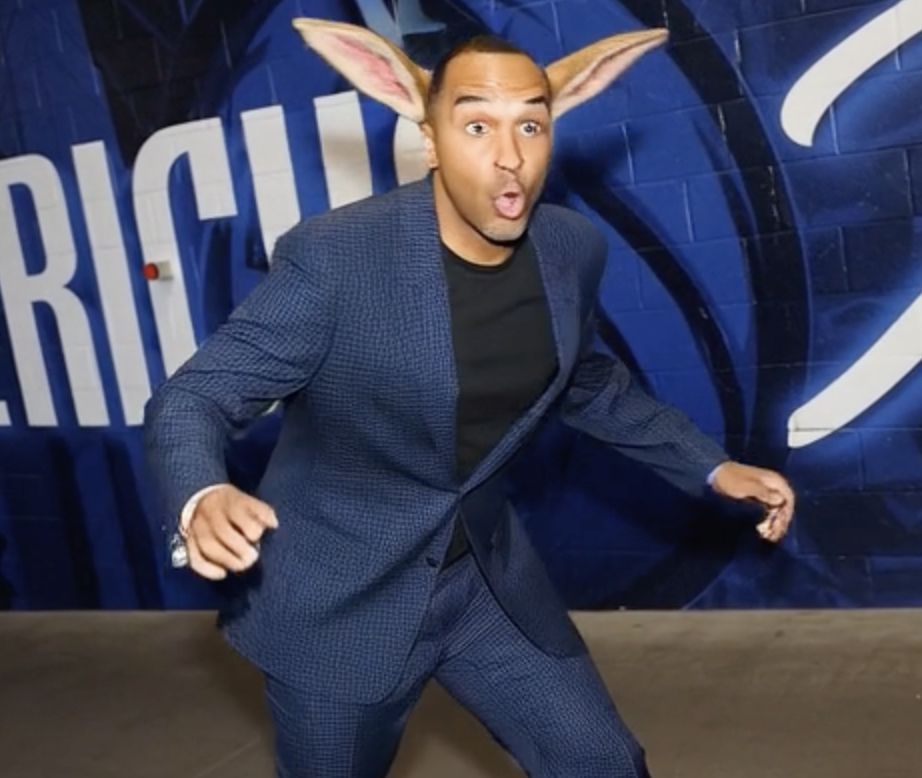
The firing of Dallas Mavericks General Manager Nico Harrison, less than a year after his controversial decision to trade franchise icon Luka Dončić, paints a clear picture: Harrison was the fall guy for an organizational mistake of generational proportion. Yet, while the move was a collective failure, Harrison, as the chief architect of the deal, ultimately paid the price for a calculated risk that became an immediate disaster.
The true context of this debacle lies in the shifting sands of ownership that preceded the trade. Former majority owner Mark Cuban, who famously once joked he’d divorce his wife before trading Dončić, sold his controlling stake to Miriam Adelson and her family in late 2023. At the time, Cuban stated he expected to maintain final authority over basketball operations—a notion that was quickly and thoroughly debunked by the league and, most importantly, the new ownership group led by Governor Patrick Dumont.
The Cuban-Dumont Divorce: A Loss of Control
Cuban’s departure from ultimate control created a power vacuum. He admitted later, “I f**ked up,” by not contractually securing his operational authority, allowing someone within the new regime to take over. This change in governance was the catalyst. Where Cuban’s philosophy centered on celebrity, loyalty, and aggressive team-building that revolved around his star players—he secured Dirk Nowitzki and had a near-religious devotion to Dončić—the new regime, led by Dumont, was more analytically inclined and, crucially, seemed motivated by a desire for financial flexibility and a perceived shift in culture.
Mark Cuban would have never allowed this to happen. His entire ethos as an owner was tied to being a player-first, big-spending personality who understood the value of a global, generational superstar like Dončić to the franchise’s brand and soul. Cuban, a former GM told ESPN, would have, at the very least, demanded a better haul of draft picks and young talent than the package centered on an often-injured Anthony Davis that Harrison ultimately accepted. The new ownership, reportedly keen to avoid committing to Dončić’s looming $346 million supermax extension, provided the environment and the approval needed for the financially driven, risk-averse transaction to occur.
Harrison: The Architect and the Scapegoat
Harrison’s background as a long-time Nike executive, with strong personal ties to player agents and the league’s inner circles, was supposed to be his strength. Instead, it led him to trust his relationship with Lakers GM Rob Pelinka and prioritize a specific player he admired (Davis) over securing maximum assets for a top-five superstar.
The narrative surrounding Harrison’s dismissal suggests a scapegoat was needed to quell a furious fan base and stop the team’s downward spiral. The “Fire Nico” chants became a persistent and audible soundtrack to a disappointing 3-8 start to the season following the trade . Dumont, who was caught on camera courtside acknowledging the trade was a “mistake” to a fan wearing a Lakers Dončić jersey, appears to have made the executive decision to sacrifice Harrison to repair the franchise’s public image.
Harrison was fired because his vision for the post-Dončić era failed to materialize. He was the executive who made the call, but the decision was fundamentally enabled by an organizational pivot away from the star-centric, financially aggressive model established by Mark Cuban. Harrison served as the executive face for a franchise decision that reeked of a new owner’s panic and a front office’s poor judgment.
When a team trades a “generational talent,” the burden of success immediately shifts to the executive who made the call. Harrison failed to carry that burden, cementing his role not just as a fall guy, but as the principal figure in the most disastrous trade in franchise history—a trade that would have been vetoed outright under the old regime.