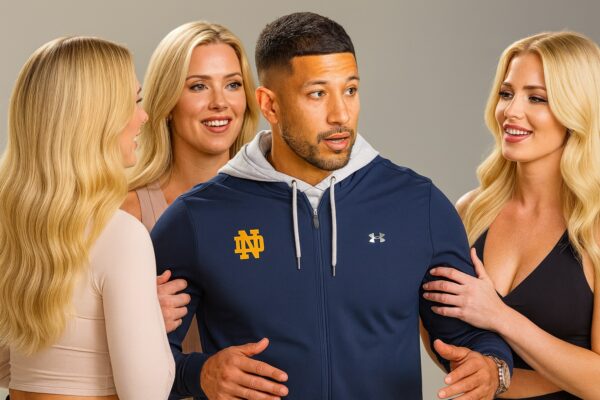

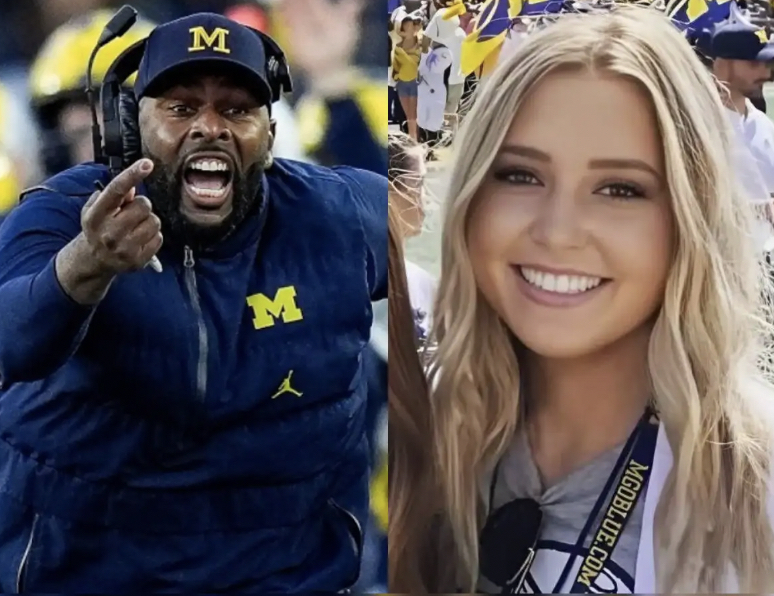
The timing of Sherrone Moore’s firing—occurring just days after the critical Early Signing Period and less than two weeks after the Ohio State game—has fueled intense speculation that the University of Michigan strategically “sat” on the investigation to protect its recruiting class and finish the season.
Here is an analysis of the evidence supporting and refuting the theory that Michigan intentionally delayed the termination.
🗣️Rich Eisen says within 90 minutes of OSU beating Michigan he heard the Sherrone Moore rumor “4 times from 4 different people.”
Which is consistent with a leak being timed right after the OSU loss…👀 https://t.co/kKGsovmjGm pic.twitter.com/TWe7cxb0S9
— Intrinsic (@intrinsicvalyou) December 11, 2025
Evidence PRO: The “Strategic Delay” Theory
Arguments that Michigan knew about the misconduct but waited for a convenient window to act.
-
The “Perfect” Timeline: Moore was fired on Dec. 10, exactly one week after National Signing Day (Dec. 3) began.
-
By waiting until after the Early Signing Period, Michigan secured binding National Letters of Intent (NLI) from its 2026 recruiting class. Had Moore been fired on Dec. 1, many of those recruits likely would have decommitted or delayed signing. Now, those players are locked in and would need a release from the university to leave.
-
The firing also occurred after the Ohio State game (Nov. 29), avoiding the chaos of an interim coach during “The Game.”
-
-
Investigation Start Date: CBS Sports and 247Sports reported that the internal investigation began in mid-November following an anonymous tip. This means the athletic department was aware of the allegations for roughly 3-4 weeks while Moore continued to coach the final games of the season and close out the recruiting class.
-
“Open Secret” Reports: Josh Pate of On3 Sports stated that Moore’s job security had been “widely speculated behind the scenes for weeks,” suggesting that influential figures in the program knew the end was near but maintained a facade of normalcy until the season concluded, even though all the players knew about it in early September.
-
The “Crown Jewel” (Savion Hiter): The clearest motive for the delay is Savion Hiter, the 5-star prospect widely ranked as the #1 Running Back and a Top-10 overall player in the Class of 2026.
-
The Timeline: Hiter officially signed his National Letter of Intent (NLI) on Dec. 4, during the Early Signing Period.
-
The Trap: Had Moore been fired on Dec. 1 (immediately after the Ohio State loss), Hiter almost certainly would have paused his recruitment or flipped to a rival like Georgia or Ohio State. By waiting until the ink was dry on his NLI, Michigan effectively “trapped” the elite tailback. To leave now, he would have to request a release from his NLI—a request the university can deny or delay—or transfer later, costing him eligibility or leverage.
-
-
Securing the Rest of the Class: It wasn’t just Hiter. The delay allowed Michigan to finalize a Top-10 class including 4-star quarterback Brady Smigiel and wide receiver Brady Marchese. Firing Moore in November would have caused this class to implode; firing him in December preserved it entirely.
-
Financial Incentive: Firing Moore “for cause” saved the university approximately $16.5 million in buyout money. If they had fired him for performance (9-3 record) immediately following the loss to Ohio State, they would have owed him the full buyout. The “delay” allowed the investigation to mature into a for-cause termination, saving the athletic department a fortune.
Evidence CON: The “New Evidence” Defense
Arguments that Michigan acted immediately once they had proof.
-
The “Stalled” Investigation: According to Front Office Sports and The Athletic, the initial anonymous tip in November did not produce sufficient evidence to act. The investigation reportedly “stalled” because there was no “smoking gun” or admission of guilt.
-
The Last-Minute Catalyst: Sources indicate that the investigation only broke open in the 24-48 hours prior to the firing. This coincides with reports that the staff member involved (allegedly Paige Shiver) began “telling the truth” and cooperating with investigators only days ago. Without this direct corroboration, the university likely did not have the legal grounds to fire Moore for cause earlier.
-
Official Denial: A source explicitly told Front Office Sports that the rumor of waiting until after Signing Day was “untrue” and that the university acted as soon as the “credible evidence” (the cooperation) came to light.
-
Risk of “Trapping” Recruits: While keeping recruits locked in seems advantageous, it is a PR nightmare. “Trapping” players by firing a coach immediately after they sign is widely viewed as unethical and damages a program’s relationship with high school coaches. If the delay was intentional, it was a ruthless tactic that could hurt future recruiting relationships.
Verdict:
The evidence suggests a middle ground: Michigan likely suspected wrongdoing in November (hence the investigation) but lacked the legal “kill shot” to fire Moore for cause until the staff member cooperated this week. However, the fact that the breakthrough “coincidentally” arrived right after the season and Signing Day has left many skeptics believing the timeline was managed by those pulling the strings behind the scenes.
Flip the pages for the woman behind the affair Paige Shiver.