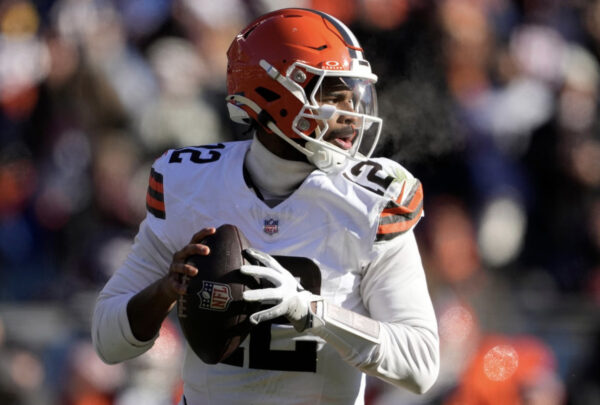

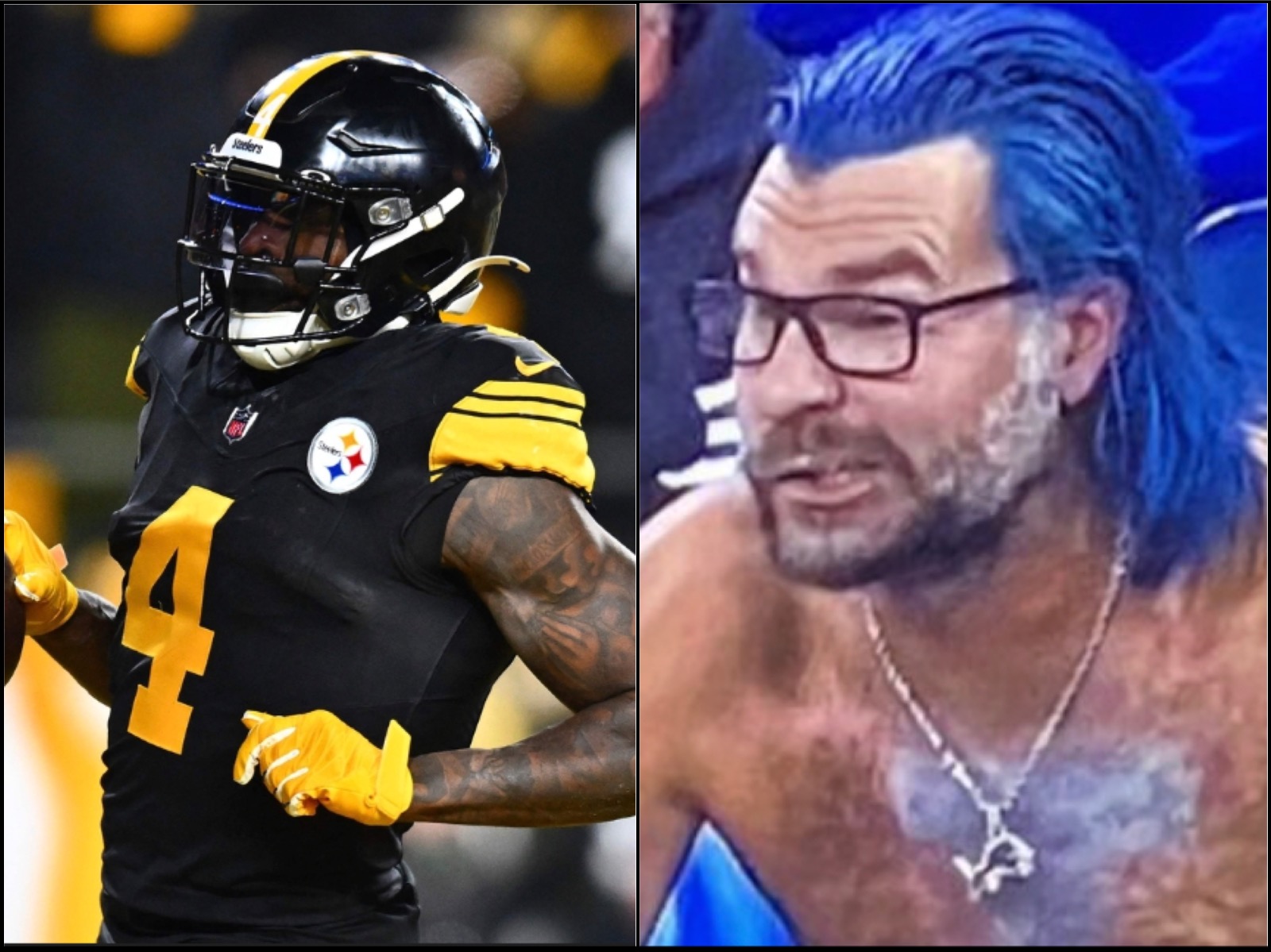
A Detroit Lions superfan who says he is now being harassed and trolled online following a confrontation with NFL star D.K. Metcalf is facing criticism from fans and commentators who say the backlash carries a sense of irony.
Ryan Kennedy, a season-ticket holder from Pinckney, Michigan, has expressed frustration and concern over what his attorney describes as ongoing online harassment and threats since an altercation with Metcalf during a recent game at Ford Field. Kennedy has denied using racial or offensive slurs during the incident and has said he is being unfairly portrayed.
However, critics point out that Kennedy himself spent roughly a year openly taunting Metcalf when the receiver played for the Seattle Seahawks, often positioning himself near the field, yelling at the player and drawing attention from security. Videos and photos from past seasons show Kennedy repeatedly engaging Metcalf from the stands, behavior that many fans described at the time as antagonistic rather than playful fandom.
That history has fueled online commentary suggesting Kennedy is now experiencing the same type of ridicule and hostility he once directed toward the player. Social media reaction has largely framed the situation as a case of “turnabout,” with users questioning why a fan known for persistent heckling would expect sympathy once public attention shifted his way.
The recent confrontation escalated when Metcalf entered the stands and physically engaged Kennedy, a move that resulted in disciplinary action against the player by the league. While many agreed Metcalf crossed a line by confronting a fan, others argued the moment highlighted how prolonged heckling can blur boundaries and inflame tensions.
Kennedy’s legal team maintains that no level of fan behavior justifies a player leaving the field to confront a spectator and says the harassment their client is now receiving is unacceptable. At the same time, the episode has reignited debate about accountability on both sides — players held to professional standards and fans whose conduct can cross into provocation.
As the fallout continues, the situation has become a broader conversation about sports culture, social media pile-ons and whether passionate fandom excuses repeated targeting of individual players. For many observers, the controversy underscores an uncomfortable reality: behavior celebrated as trolling when aimed at athletes can feel very different when the spotlight turns the other way.