
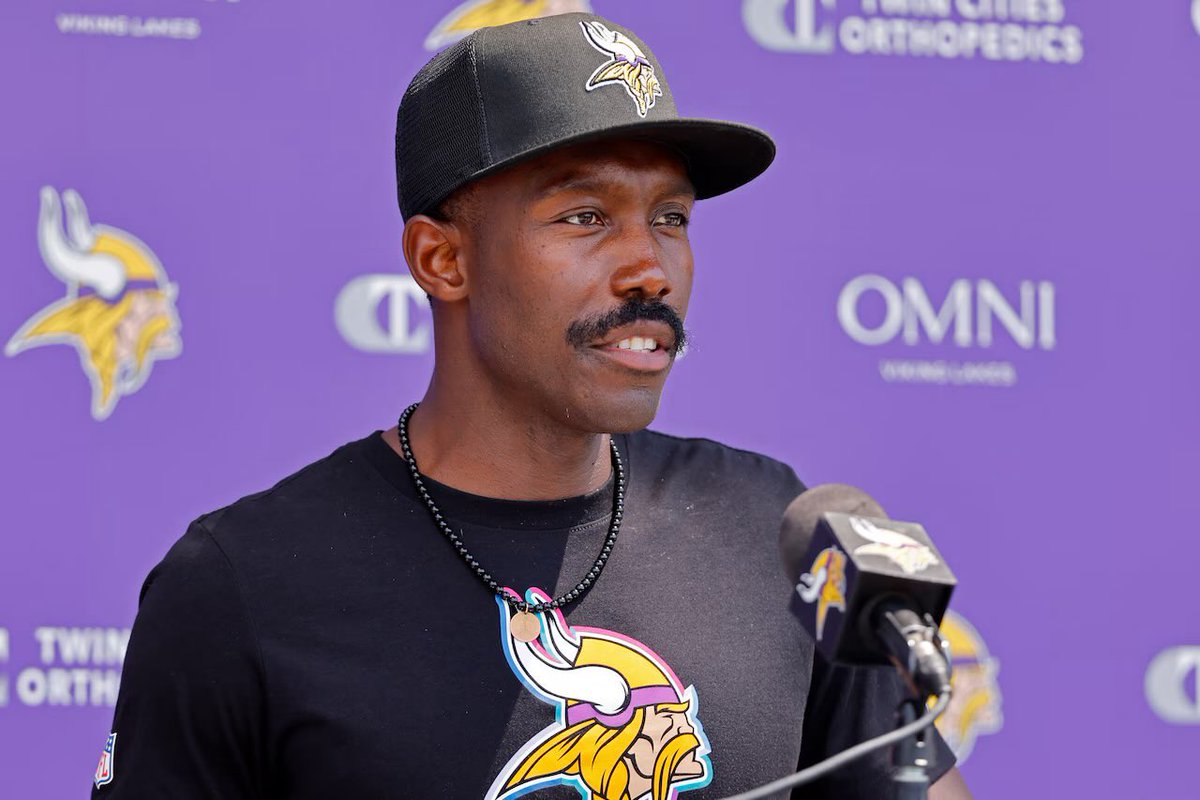
In the cutthroat world of the NFL, where loyalty is often measured in missed family milestones and personal sacrifices, the recent firing of Minnesota Vikings general manager Kwesi Adofo-Mensah has unleashed a torrent of commentary that reeks of a coordinated smear. Adofo-Mensah, who served as GM from 2022 until his dismissal in early 2026, built a roster that showed promise but ultimately fell short of Super Bowl contention. Yet instead of focusing solely on his draft picks, trades, or strategic missteps, such as letting quarterbacks Sam Darnold and Daniel Jones walk, or opting not to pursue Aaron Rodgers, the discourse has veered into personal territory. Most egregiously, his decision to take two weeks of paternity leave in 2023 following the birth of his first son has been weaponized as evidence of his supposed unprofessionalism. This isn’t just petty; it’s a stark revelation of the league’s antiquated priorities, where family life is seen as a distraction from the gridiron grind.
The exposure of Adofo-Mensah’s paternity leave didn’t emerge organically. Reports surfaced in the wake of his firing, painting it as a point of “disbelief” among rival executives and coaches. In an NFL culture where players, coaches, and front-office personnel often boast about skipping the births of their own children to attend practices or games, Adofo-Mensah’s choice to support his wife and newborn was met with raised eyebrows across the league. This detail, buried in a broader narrative about his tenure, feels like a deliberate leak designed to tarnish his reputation further. Why dredge up a three-year-old personal decision now, if not to imply that he lacked the “commitment” expected in the high-stakes NFL ecosystem? It’s a classic smear tactic: shift the blame from organizational failures to character flaws, making Adofo-Mensah an easier scapegoat for the Vikings’ shortcomings.
There’s been a lot of conversation around Kwesi Adofo-Mensah taking paternity leave, largely because it’s still rare in the NFL.
But it’s important to note that the Minnesota Vikings supported him through the entire process and did not hold it against him in any way.
This was a… pic.twitter.com/b5D6V8svBI
— Dianna Russini (@DMRussini) February 1, 2026
Real reactions on X (formerly Twitter) underscore this divide, revealing a league and its fanbase grappling with evolving norms around work-life balance. On one side, some voices echo the NFL’s old-school mentality, dismissing family priorities as incompatible with the demands of the job. For instance, one user lambasted Adofo-Mensah’s leave as “insane,” arguing that as GM, he was responsible for the futures of 90 players and couldn’t afford time off during training camp. Another post went further, listing the paternity leave among a litany of alleged failures, including his use of analytics tools like PFF and failure to draft Pro Bowlers, framing it as part of why he was “one of the WORST general managers in NFL history.” These sentiments highlight a pervasive attitude in the NFL: family comes second to football, and any deviation is a sign of weakness. Even reports noted that Adofo-Mensah never felt “truly accepted” in Minnesota, with outsiders viewing the Vikings’ allowance of his leave as “wild.” It’s a damning indictment of an industry where personal life is sacrificed on the altar of wins.
Yet, not everyone is buying into this narrative. A growing chorus on X is applauding Adofo-Mensah for bucking tradition and putting his wife and child first, calling out the smear for what it is: outdated and unfair. One user decried the “character assassination,” accusing insiders of framing the leave as “evil” just to pile on after his firing. Another highlighted how the story shines a light on the NFL’s toxic “total sacrifice” demands, praising Adofo-Mensah’s choice as a progressive step. Senior NFL insider Dianna Russini clarified that the Vikings fully supported him internally, emphasizing that the backlash was external noise, not a factor in his ousting. These reactions reflect a shifting tide, where prioritizing family is seen not as a liability, but as a strength—especially in a league that’s slowly modernizing amid calls for better mental health and work-life balance.
Ultimately, this smear campaign against Adofo-Mensah does more to expose the NFL’s flaws than his own. By dragging his paternity leave into the spotlight, detractors reveal a resistance to change in a sport that demands everything from its leaders. Adofo-Mensah’s story should be a catalyst for progress, not a punchline. In a multibillion-dollar industry built on human talent, it’s high time the NFL recognizes that supporting families isn’t a distraction; it’s essential. If anything, kudos to Kwesi for leading by example, even if it cost him in the court of public opinion.