

The EuroLeague has existed since 1958 as the most prestigious basketball league in Europe. That hegemony is being threatened by the NBA’s expansion league-in-the-works: NBA Europe. The EuroLeague as we know it — with a regular season phase — is not even a decade old yet. Yet the competition, which has constantly been plagued by change, is on the cusp of a radical shift. It could involve a metaphoric selling of one’s soul to the devil or a “heroic” last stand.
A History of Constant Restructuring
Throughout the EuroLeague’s history, FIBA has played a prominent role. FIBA established the competition in 1958 and controlled it until the 2000 split, when some top clubs, backed by ULEB, formed a rival top-tier competition. It sent ripples through the betting community, from the betting hubs or Paris and Berlin to cricket betting sites in Bangladesh and Beijing. That dichotomy lasted only a season before a renegotiation shifted control across club-country lines, with FIBA gaining control of international tournaments while clubs retained control of club competitions, including the EuroCup.
That arrangement lasted until 2016, when FIBA attempted to lure top European clubs — including Panathinaikos, Olympiakos, Real Madrid, Barcelona, and Maccabi Tel Aviv — into a new Basketball Champions League. Those clubs rejected the proposal but introduced a similar league format shortly after. Once again, external pressure triggered structural change within the EuroLeague. It has become a recurring theme.
The NBA’s Financial Advantage
The NBA dwarfs the EuroLeague in both scale and financial power. In July 2024, the NBA signed an 11-year media rights deal worth $71.4 billion USD, or €66 billion. By comparison, the EuroLeague’s expiring deal with IMG was valued at approximately $690 million USD or €630 million over a decade. Despite recent broadcast negotiations, Europe’s top competition cannot compete on that level. That gap underpins the NBA’s growing confidence in launching NBA Europe.
Growing Interest in NBA Europe
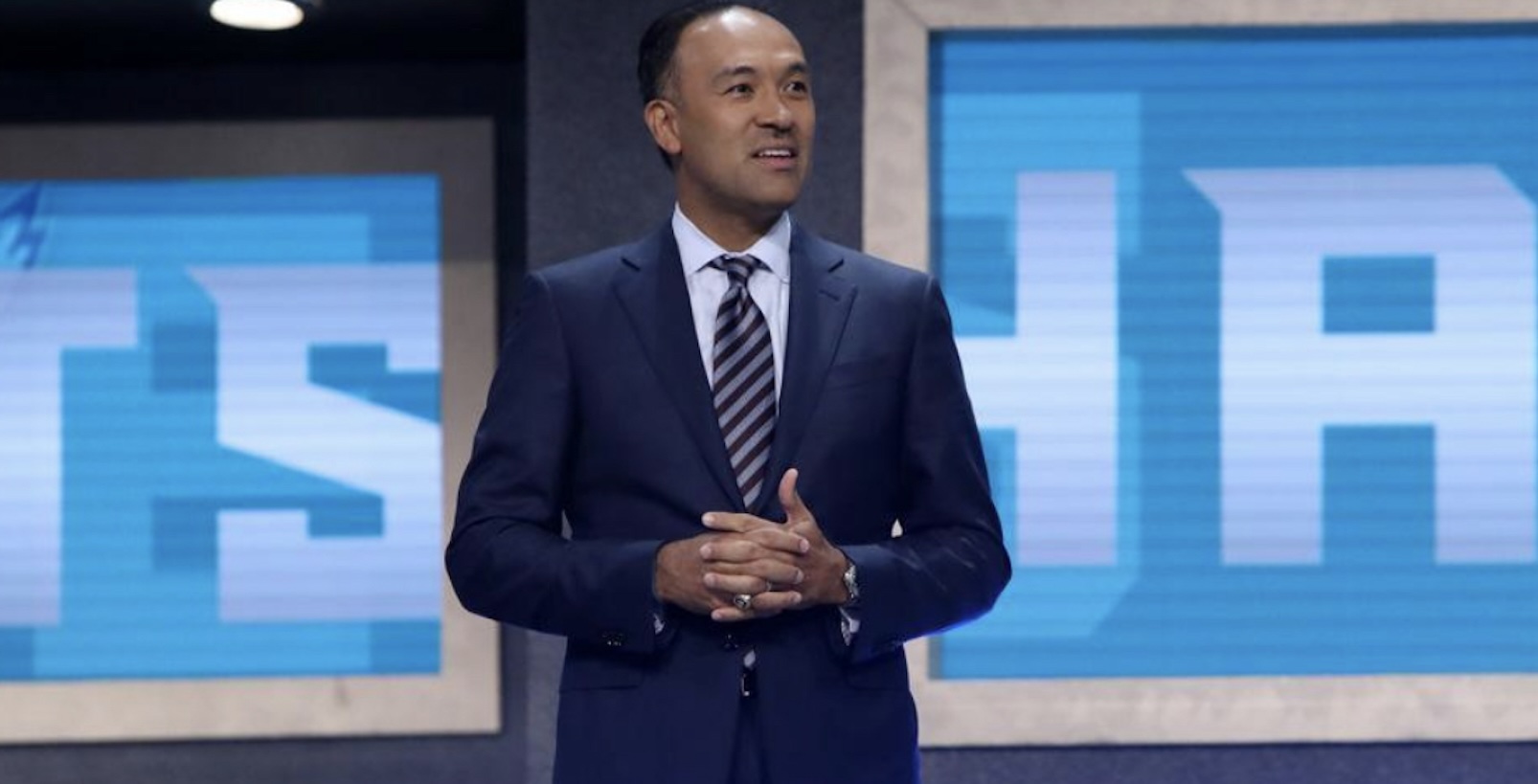
The NBA’s latest statements suggest significant momentum behind the project. According to deputy commissioner Mark Tatum, interest has reached unprecedented levels:
“The level of engagement and the scale of the bids reflect the marketplace’s belief in our proposed model and the enormous, untapped potential for European basketball. We will now review the bids in more detail and shortlist the partners who share our vision.”
Multiple bids reportedly range between $500 million and $1 billion, with some exceeding that mark. Several elite European clubs are monitoring the situation, including Real Madrid, whose EuroLeague license expires soon.
At the same time, 10 of the 13 EuroLeague shareholder clubs have committed to new long-term licenses. The remaining clubs have yet to decide, creating internal pressure within the league to consider collaboration with the NBA.
Push for Collaboration Over Conflict
Former EuroLeague CEO Paulius Motiejunas has voiced skepticism about the NBA’s long-term vision but emphasized cooperation:
“If a new league is created, it should happen through mergers and cooperation — not by building something separate from scratch. It’s better to move forward together rather than divide.”
Motiejunas also questioned the role of investment funds and the sustainability of the proposed model, reflecting broader concerns among European basketball stakeholders.
A Commercial Reality Check
The NBA’s leadership has been clear about its motivations. Commissioner Adam Silver framed the opportunity in stark terms during the Berlin games in January:
“If I thought that the ceiling was the existing EuroLeague and their fan interest, we wouldn’t be spending the kind of time and attention we are on this project.”
“The commercial side of basketball in Europe probably represents about 1% of the overall sports marketplace.”
Those remarks underline the NBA’s belief that European basketball is significantly undervalued commercially. What do these comments mean for the basketball side though? Time will tell. As for those bettors in Paris and Gemany, and those using melbet in Bangladesh and around the globe, the marketability of European basketball is obviously in need of an injection of capital.
An Uncertain but Inevitable Future
There is still uncertainty surrounding the timeline for NBA Europe, though 2027 remains the projected launch window. What is clear — based on decades of precedent — is that external pressure has consistently forced the EuroLeague to evolve. It’s no coincidence that the new EuroLeague CEO, Chus Bueno is a former NBA Europe executive.
Another transformation now appears inevitable. Hopefully, the uniqueness of EuroLeague basketball is not drowned out by the tidal wave of NBA profitability.