
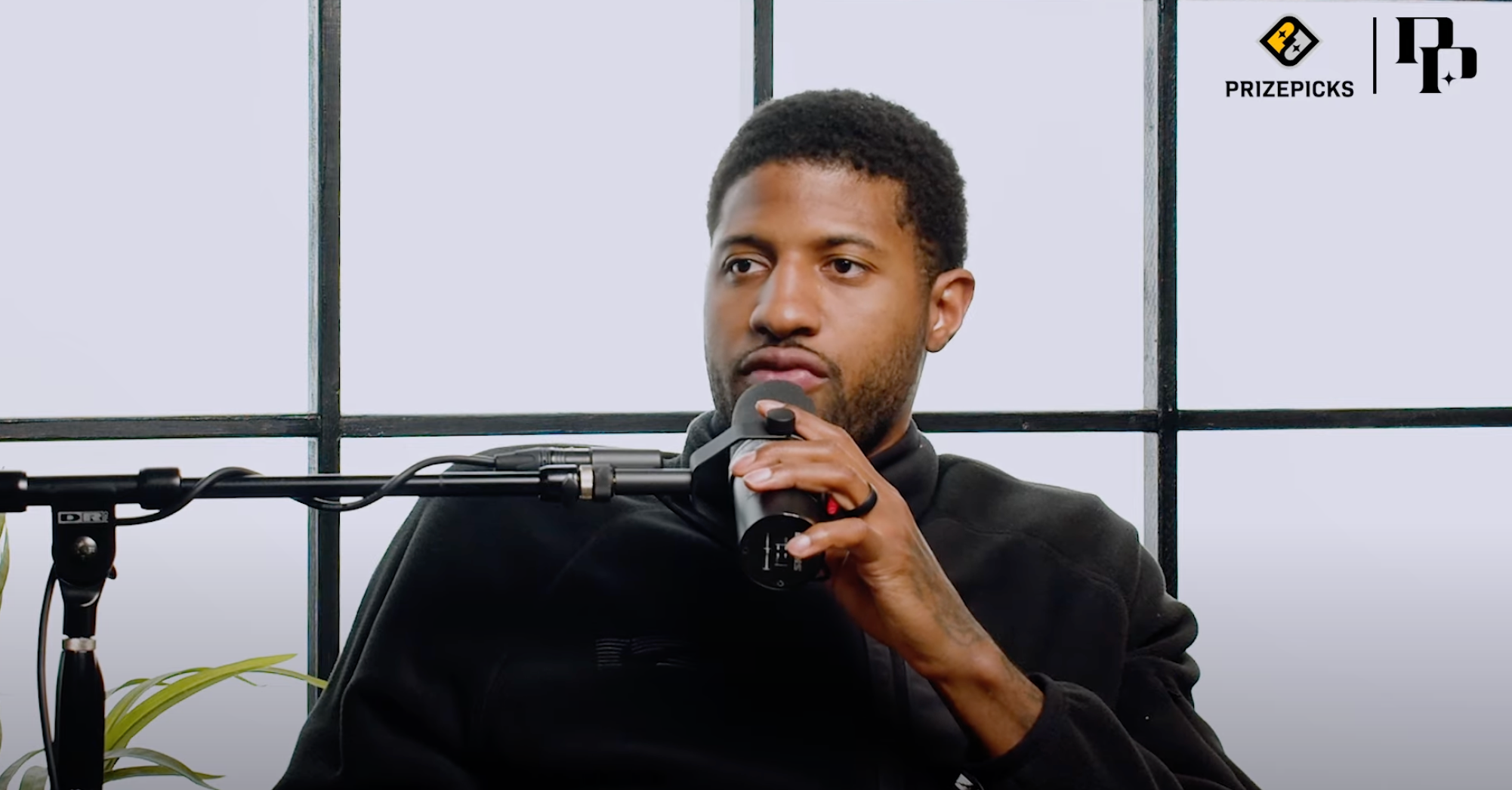
Paul George is one of the league’s top two-way players, a future Hall of Famer, and an experienced veteran. At this point in his career, it is expected of him to both coach up-and-coming talent and keep performing at a high level. On the most recent episode of Podcast P, he was the host of Alex Sarr and Reed Sheppard.
In advance of their rookie seasons, George gave the two, who are predicted to be among the top three picks in the 2024 NBA draft, the opportunity to ask any questions they may have. When Reed moved from playing college basketball to the NBA, he wanted to know what he would have to adjust to or modify. He spoke about 3 key learnings,
“It’s such an adjustment from college to the NBA. The pace of the game is that much different than college, where you guys are used to running through an offense, using the clock. You get what, 30-35 seconds to run a play, whereas in the NBA it’s 24 seconds, but very rarely is the offense ran down to 24 seconds.”
Paul George talks difference between NCAA and NBA
Paul further emphasized how quickly NBA teams play and how there is never time to be sluggish in returning to defense or simply going through the motions on offense by citing the high-octane offense of the Indiana Pacers as an example. Rookies must adjust to a significant change: the shot clock in the NBA and college basketball differs by six seconds. They are not allowed to take their time running a play or getting away from a defender.
Paul George continued by discussing the disparity in spacing between college and NBA basketball, saying,
“It’s just a lot more spacing on the floor to operate in, whether you are on offense or defense. If you are a defender, it’s more space for the offensive player to kind of make something happen.”
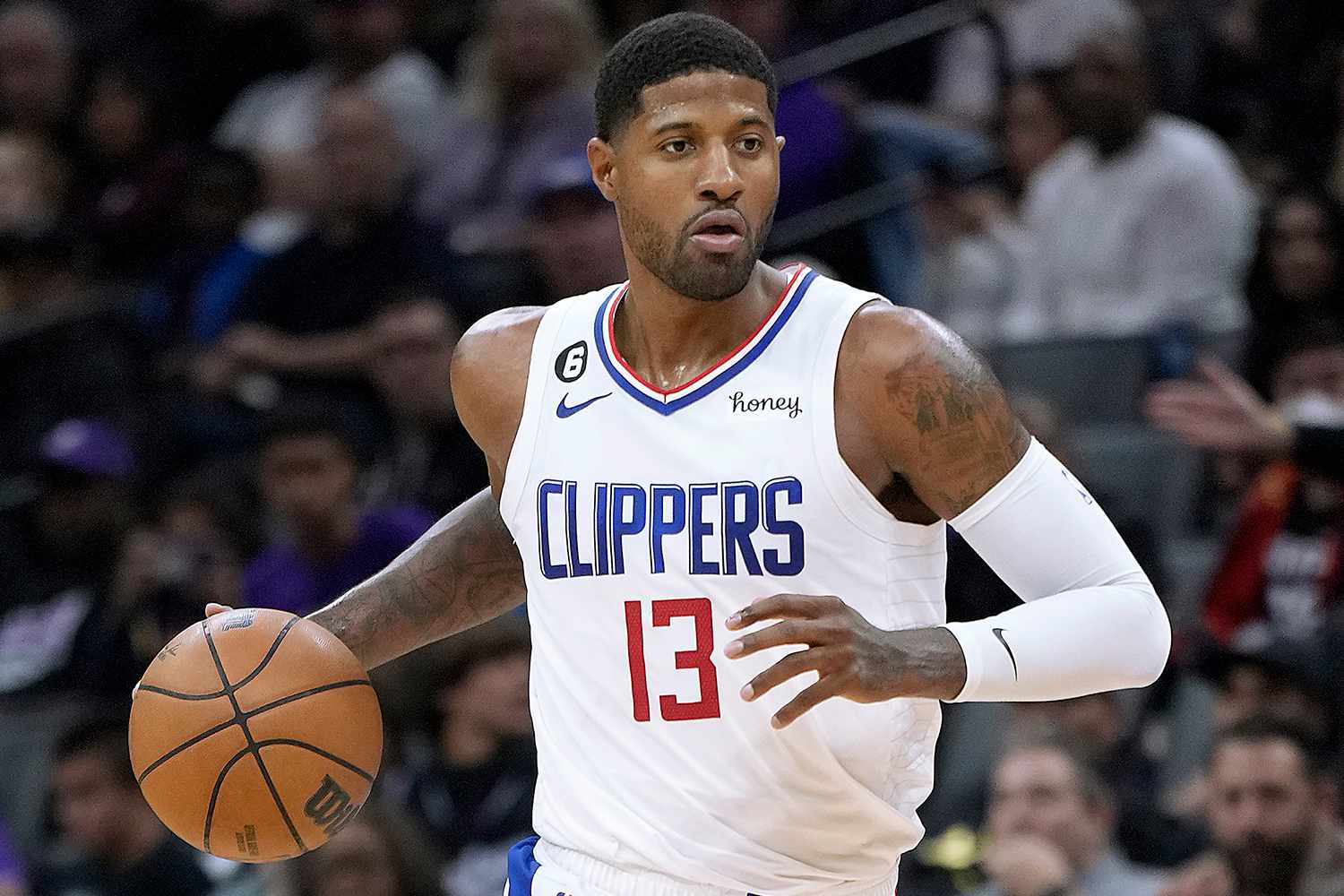
Paul eloquently described how the league’s incessant three-point shooting has also allowed talented players to take advantage of the space their colleagues create by standing beyond the arc. To be effective and get stops, defenders must learn the habits of the offense when they have the ball in their hands.
When rookies first join the league, they have to learn more than just how to defend the space. Additionally, they should be proficient three-point shooters to aid their teams in creating space and scoring baskets when necessary. George adjusted after entering the league as a conventional forward. He anticipates that Reed, Sarr, and all the other young aspirants will follow suit and enjoy prosperous, extended careers in the league.