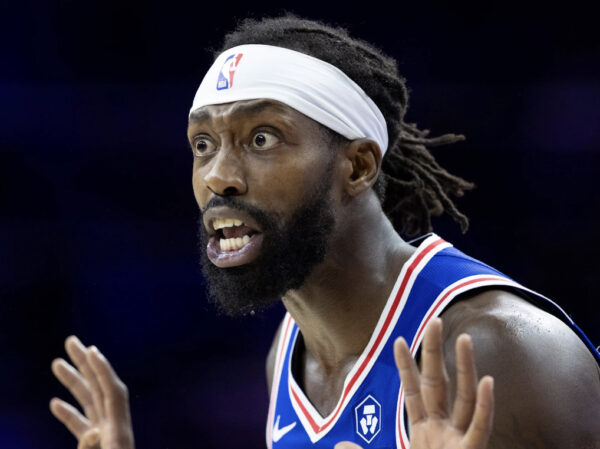

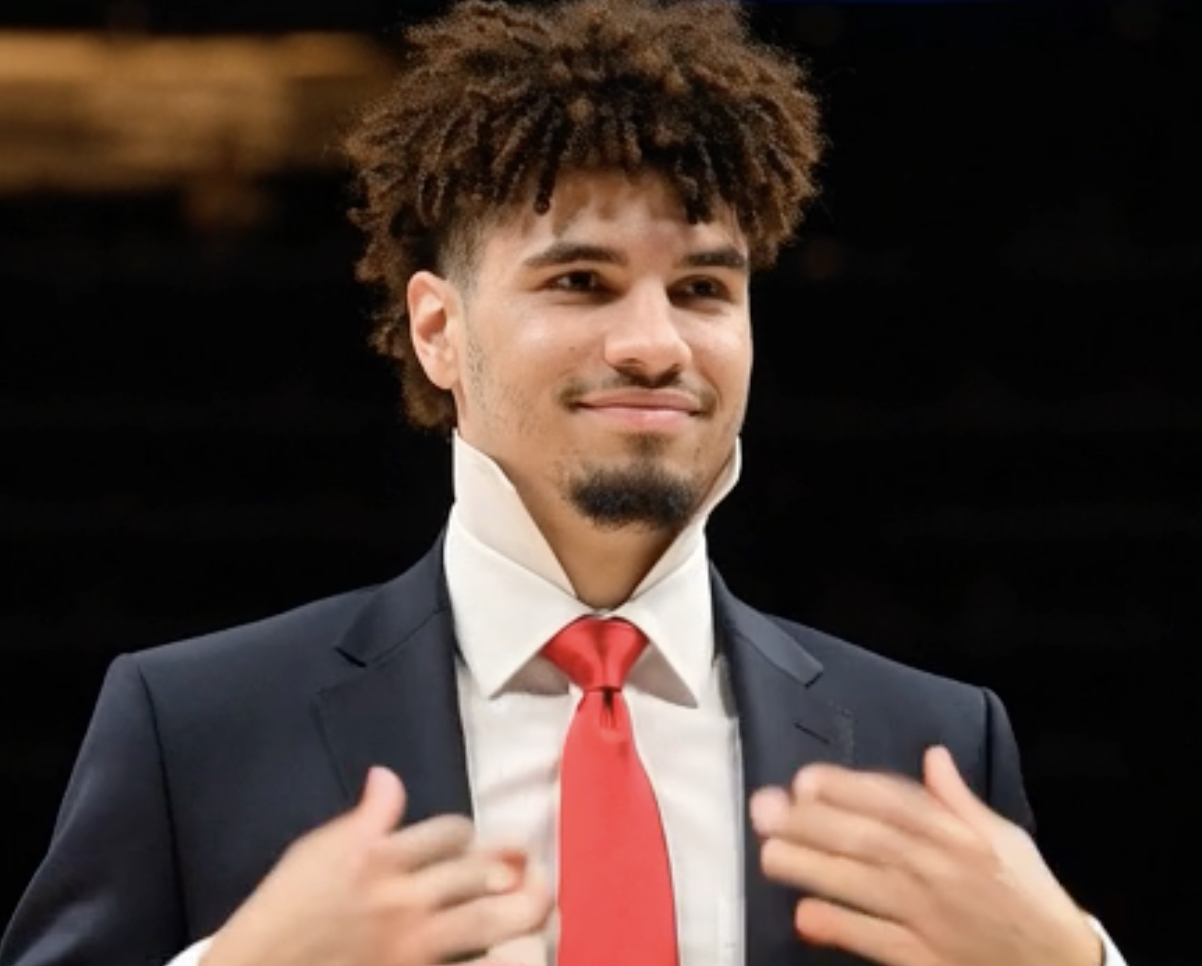
Charlotte Hornets guard LaMelo Ball is known for his flashy passes and unconventional approach to the game. But a recent report reveals that his ambition stretches far beyond the basketball court—all the way to the White House.
The surprising revelation surfaced recently when an untold story from the 2020 NBA Draft process shed light on why the Minnesota Timberwolves, holding the No. 1 overall pick, passed on the talented playmaker.
The Pre-Draft Interview That Changed the Board
According to a report by The Athletic‘s Jon Krawczynski, during a pre-draft interview, Timberwolves executives asked Ball about his aspirations for his post-basketball career. The answer was reportedly not what the front office expected.
“I want to be President of the United States,” Ball allegedly told the team representatives.
Krawczynski noted that Ball “did not interview very well,” and his lofty political ambition reportedly weighed negatively on the Timberwolves’ management, which was seeking a player with an unwavering commitment to basketball. Ultimately, Minnesota chose guard Anthony Edwards with the top pick, a decision that has helped anchor their recent success. Ball was then selected third overall by the Hornets.
The Timberwolves, reportedly seeking a player laser-focused only on basketball, found Ball’s declaration of wanting to pursue the nation’s highest office off-putting. The decision has since been criticized by commentators who questioned why having goals outside of sports would be seen as a detriment, particularly when compared to the value placed on the diversified portfolios and entrepreneurial interests of many other high-profile athletes.
The immediate reaction from many observers was confusion: Why would ambition—a quality generally prized in high-level competitors—be treated as a negative factor in a draft interview?
According to @JonKrawczynski, LaMelo Ball told the Minnesota Timberwolves during his 2020 pre-draft interview that he wants to be "President of the United States" after his basketball career is over. 😂 pic.twitter.com/SV6HKL7fsa
— r/CharlotteHornets (@HornetsReddit) November 14, 2025
Questions of Subtlety and Stereotype
The most pointed critiques have suggested that the Timberwolves’ discomfort with Ball’s goal may have been rooted in subtle, underlying biases. The notion that a young, Black athlete should be exclusively confined to the court—and that expressing a major political or civic ambition should raise doubts about his dedication—has been called out as a potential manifestation of systemic prejudice.
For a young man known for his unconventional style and flair, aiming for the presidency was a highly unusual answer, but critics argue that it should have been seen as forward-thinking rather than a distraction. The implication that such an aspiration is too “high” or “unrealistic” for a top NBA prospect has fueled the conversation surrounding the boundaries and expectations placed on athletes of color.
A Successful Outcome Regardless
Despite the pre-draft reservations, Ball has thrived in the league. Taken third overall by the Hornets, he won the Rookie of the Year award and became an All-Star, demonstrating that his dedication to basketball was never truly in doubt.
While the Timberwolves’ choice of Edwards has also proven successful, the incident serves as a unique case study of how athlete interviews—and the perception of a player’s long-term identity—can be complicated by hidden expectations and biases that permeate the professional sports landscape.