
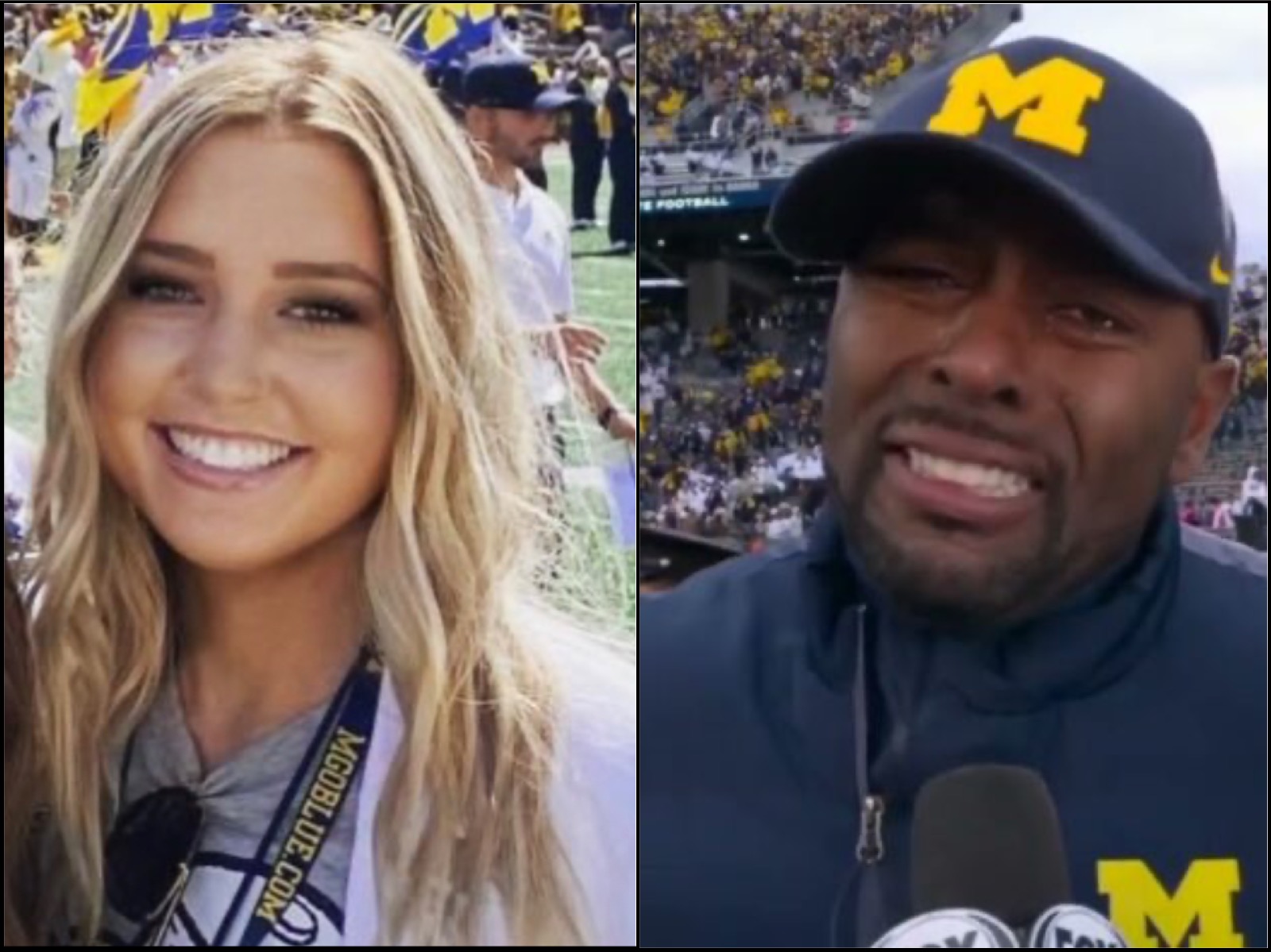
As the legal and public relations fallout continues around the arrest and firing of former University of Michigan football coach Sherrone Moore, questions are emerging about potential civil litigation by the alleged victim, identified in reporting as staffer Paige Shiver.
Shiver could theoretically pursue civil claims against Moore himself for any harm she suffered, and under certain circumstances could attempt to bring claims against the University of Michigan. Whether such litigation would succeed — or produce a significant settlement — depends on the legal theories she advances and the evidence available.
1. Claims Against Moore
The most straightforward civil grounds would be assault and battery, intentional infliction of emotional distress, or related claims against Moore personally.
In Michigan, a plaintiff may seek damages in civil court for intentional, reckless, or negligent wrongdoing that causes physical or emotional harm. To prevail, Shiver would need to prove elements such as that Moore intentionally acted in a way that caused harm or harm was reasonably foreseeable. Emotional distress claims are possible but can be challenging; to succeed on intentional infliction of emotional distress, conduct typically must be “extreme and outrageous” and cause severe distress.
If Moore’s charged conduct, including alleged break-in and threatening behavior, is proven in civil court, Shiver could seek compensation for medical expenses, therapy costs, and non-economic damages such as pain and suffering. Civil liability standards differ from criminal ones; a civil jury could find liability on a lower “preponderance of the evidence” standard even if Moore avoids criminal conviction.
2. Emotional Distress and Civil Damages
Michigan allows civil claims for emotional trauma stemming from another’s intentional or negligent actions, though standalone emotional distress claims (without a related physical injury) can be difficult to prove. Plaintiffs generally must show clear evidence of severe distress linked to the defendant’s conduct.
Even absent physical injury, if a civil court finds Moore’s actions caused psychological harm, Shiver could recover some damages. Still, the amount would depend on the strength of supporting evidence, such as medical records or expert testimony.
3. Claims Against the University
Suing a public or private employer, such as the University of Michigan, presents different challenges. As a non-party to Moore’s alleged actions, the university is not automatically liable for conduct outside the course and scope of employment. Traditional doctrine (respondeat superior) generally does not apply when an employee’s intentional torts occur outside work duties.
However, Shiver could explore direct negligence theories against the university, such as negligent hiring, training, retention, or supervision. These claims argue that a workplace should have acted reasonably in vetting, supervising, or disciplining an employee when foreseeable risks exist. To succeed, she would need to show Michigan had actual or constructive knowledge of Moore’s propensity for misconduct and failed to act reasonably.
Michigan law historically limits employer liability in these contexts, and some protections make negligent hiring/retention claims difficult against public entities absent specific statutory waiver. In Salinas v. Genesys Health Sys., a Michigan appellate court acknowledged but limited employer liability for employee torts, especially where conduct merely made a third party vulnerable through employment access.
4. Negligent Supervision and Foreseeability
If Shiver argues the university should have foreseen risk and acted, for example, through better oversight of a hierarchical relationship that violated policy, she would need evidence linking Michigan’s conduct directly to her harm. Internal policies requiring reporting and investigation may play a role, but sovereign immunity and statutory protections for public universities could curb such claims unless an exception applies.
5. Settlement Likelihood
Civil settlements are shaped by risk, evidence, publicity, and legal exposure. Facing negative press and potential liability, Moore might be inclined to settle personally. A university, especially a public one, may also consider settlement to avoid protracted litigation, even without admitting wrongdoing.
However, success is not guaranteed. Claims against Moore depend on proving liability; claims against the university are more uncertain under Michigan law due to employer liability limitations and immunities. Without clear evidence, the university failed to act on known risks; overcoming those hurdles could be difficult.
Legal Reality
Legal experts often note that personal injury and emotional harm claims hinge on both proof of harm and available legal theories that a court will recognize. Even under the best circumstances, such cases can be protracted and costly. Settlement offers, if they arise, may reflect mitigation of risks rather than clear legal victories.
In sum, while Shiver could file civil actions against Moore and potentially explore limited claims against the University of Michigan, the strength of those cases and prospects for a “hefty” settlement would depend on the specific facts, applicable law, and the quality of legal representation, with no guaranteed outcomes.
Flip the pages for photos of Paige Shiver.