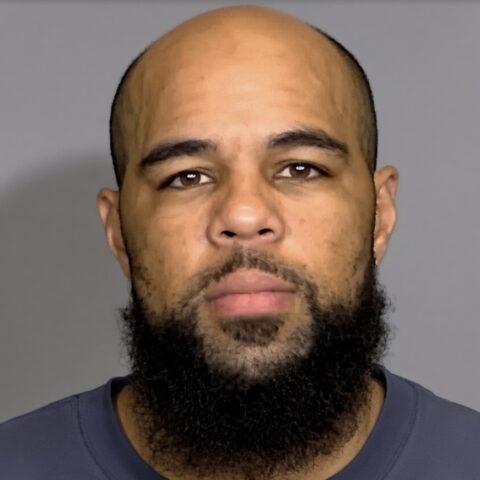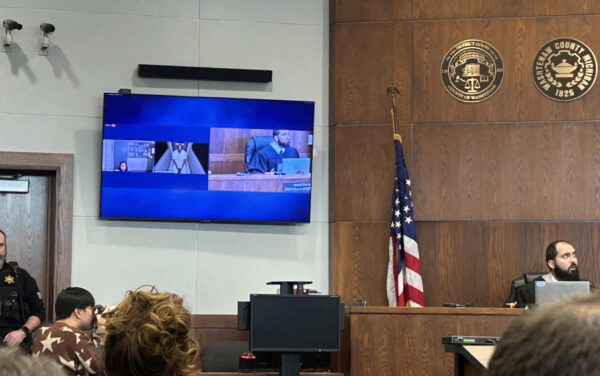

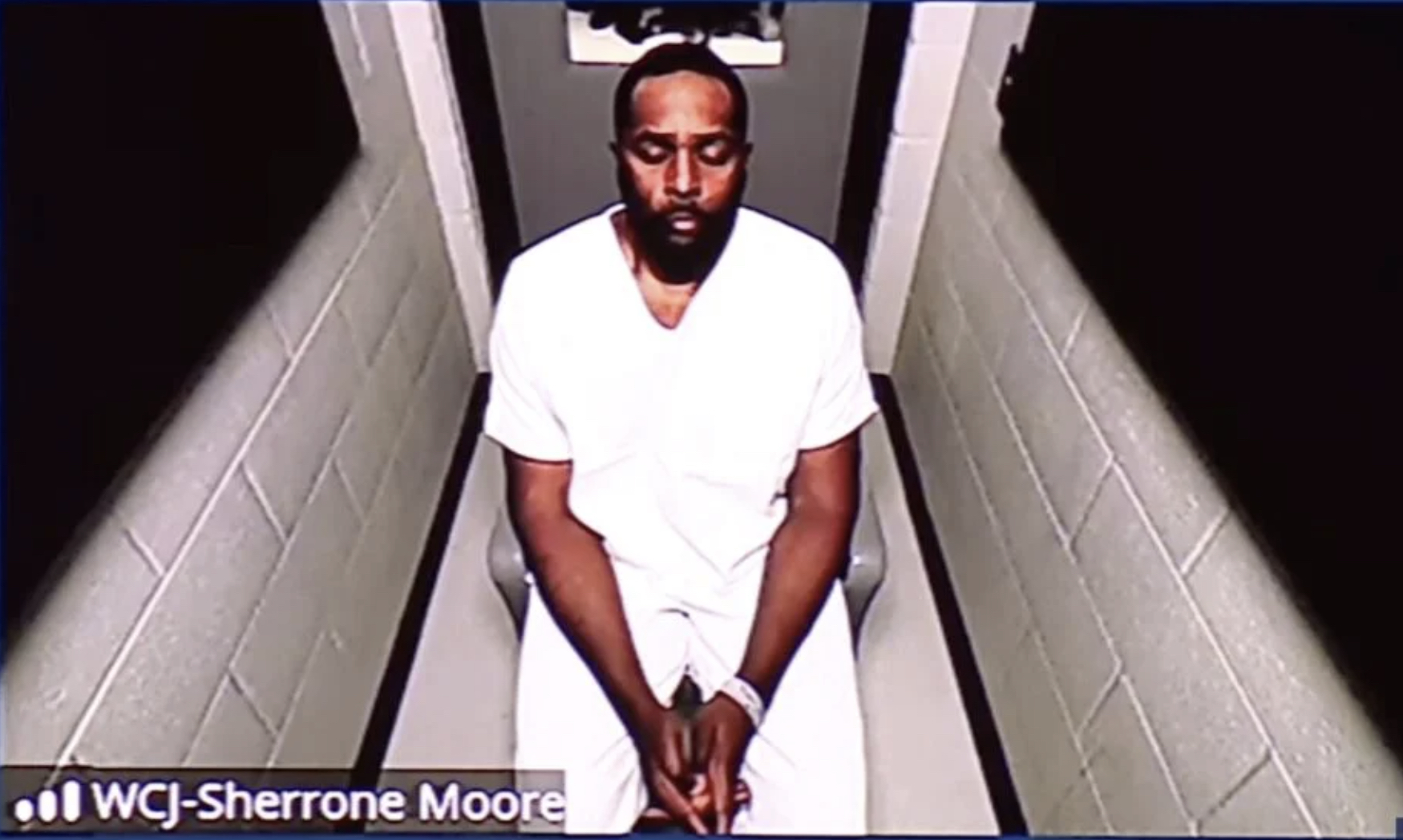
With Sherrone Moore facing a felony charge of third-degree home invasion alongside misdemeanor counts of stalking and breaking and entering, the question on every fan’s mind is simple: Is the former Michigan coach actually going to prison?
While the charges sound severe—carrying a potential maximum of 5 years behind bars—legal precedents and Michigan’s sentencing guidelines suggest a different outcome is more likely for a first-time offender.
Here is a breakdown of the realistic legal scenarios Moore faces based on his clean record and the specific nature of the charges.
The Charges vs. Reality
1. Home Invasion – Third Degree (Felony)
-
Maximum Penalty: 5 years in prison / $2,000 fine.
-
The Reality: In Michigan, sentencing is determined by a grid that scores a defendant’s “Prior Record Variables” (PRV) and “Offense Variables” (OV).
-
Clean Record: Because Moore has zero prior criminal history, his PRV score is 0. This places him in the lowest sentencing cell.
-
Guideline Range: For a Class E felony like this with no prior record, the sentencing guidelines typically recommend “intermediate sanctions.” This usually means probation, community service, or a short stint in county jail (not state prison) which is often suspended.
-
Key Detail: He was charged with Third Degree, not First Degree. First Degree (up to 20 years) applies when a weapon is used to commit a crime or an assault occurs. The fact that prosecutors opted for Third Degree suggests they viewed the knife as part of the “stalking/misdemeanor” context (likely the self-harm threat) rather than a weapon used to attack the victim.
-
2. Stalking (Misdemeanor)
-
Maximum Penalty: 1 year in jail / $1,000 fine.
-
The Reality: First-time stalking convictions almost exclusively result in probation combined with a strict Personal Protection Order (PPO). Jail time is rare unless the defendant violates the no-contact order.
The “Wildcard” Factors
The Suicide Threat & Mental Health The revelation that Moore threatened self-harm and was placed in protective custody actually argues against prison time.
-
Mental Health Courts: Michigan has robust diversion programs for defendants whose crimes are linked to mental health crises. Moore’s defense team will likely argue that this was a mental health episode, not a predatory act.
-
Likely Outcome: A judge may sentence him to a “deferred” sentence or probation that mandates psychiatric treatment. If he completes the treatment successfully, the charges could potentially be reduced or wiped from his record.
The “Aggravating” Factor: The Knife While he wasn’t charged with assault with a deadly weapon, the presence of a knife is an “Offense Variable” that could increase his sentencing points. If the judge believes the victim was in imminent danger, they have the discretion to be harsher than the guidelines recommend. However, given Moore’s public profile and lack of history, a judge is unlikely to throw the book at him for a first offense involving a mental health crisis.
The Verdict: Prison is Unlikely
Based on Michigan law, the odds of Sherrone Moore serving time in a state prison are extremely low.
Most Likely Outcome:
-
Probation (12-24 months)
-
Mandatory Mental Health Treatment
-
GPS Tether / No-Contact Order
-
Suspended Jail Sentence (Meaning: “If you mess up probation, you go to jail for 90 days.”)
Moore’s career at Michigan is over, but his freedom is likely safe—provided he adheres strictly to the court’s conditions.