
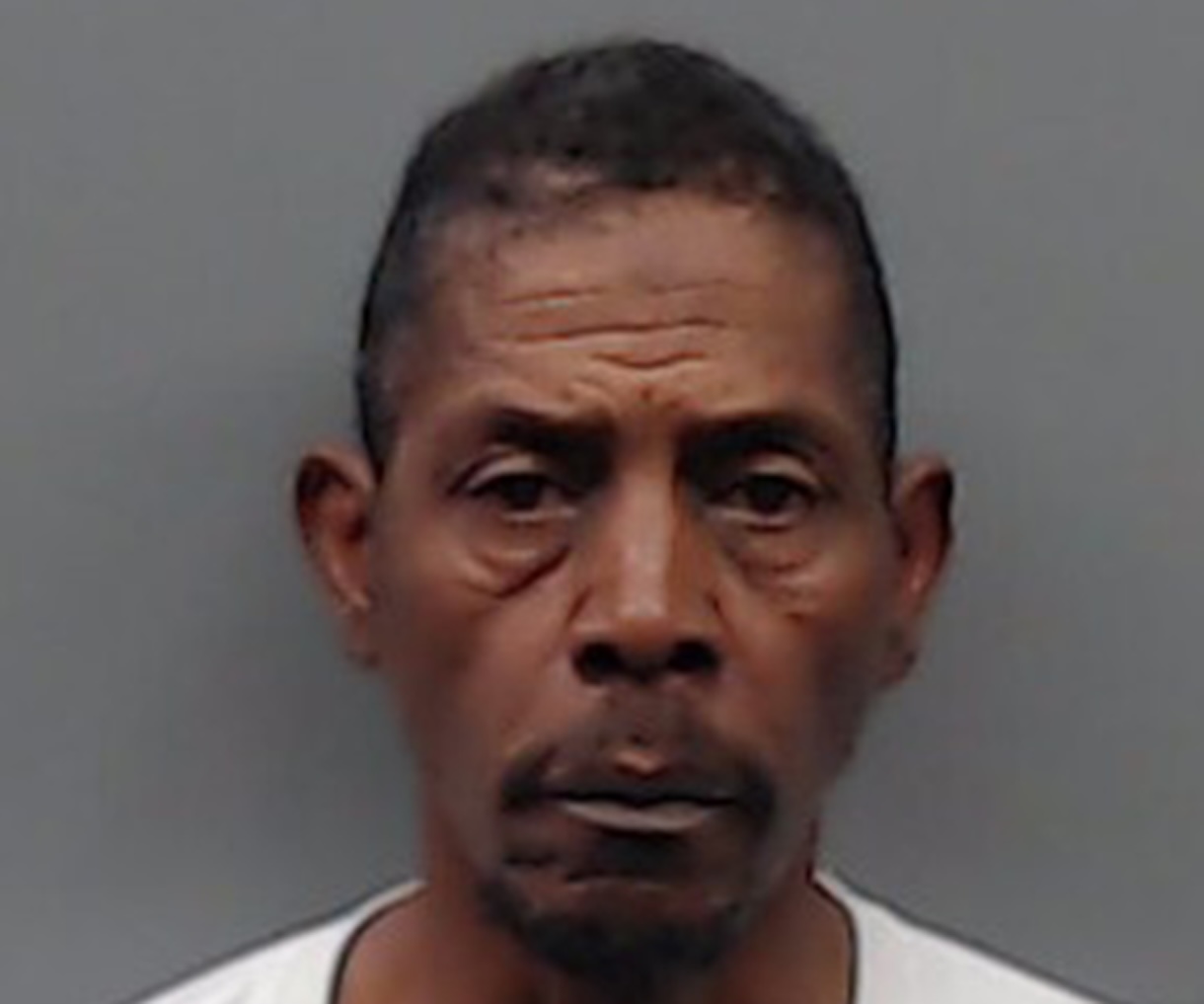
Patrick Mahomes Sr., the father of Kansas City Chiefs quarterback Patrick Mahomes and a former Major League Baseball pitcher, was arrested Tuesday for allegedly violating his probation by consuming alcohol, marking another legal setback in a history of driving-while-intoxicated offenses.
Mahomes Sr., 55, was booked into the Smith County Jail at 8:53 a.m. after a probation violation report indicated a high alcohol reading on his court-ordered SCRAM ankle monitor on Jan. 1. Subsequent urine tests on Jan. 5 and Jan. 9 came back negative for alcohol, according to Smith County District Attorney Jacob Putman, who confirmed the violation to media outlets. No court date has been set, and representatives for Mahomes Sr. did not immediately respond to requests for comment.
The arrest stems from a 2024 DWI conviction — his third such offense — for which Mahomes Sr. pleaded guilty and received a five-year probation sentence in September of that year. That incident occurred just days before the Chiefs’ Super Bowl victory over the San Francisco 49ers, with body camera footage later showing Mahomes Sr. attempting to invoke his son’s name during the stop. He has faced at least two prior DUI arrests, underscoring a pattern of alcohol-related legal issues during his son’s NFL career.
Under Texas law, violating DWI probation — particularly through alcohol consumption — can lead to severe consequences, including revocation of probation and imposition of the original sentence. For a third-offense DWI, classified as a third-degree felony, that could mean up to 10 years in prison, though judges have discretion based on factors like the violation’s severity and the offender’s history. Other potential penalties include extended probation, additional fines, community service, mandatory treatment programs or jail time short of the maximum. Legal experts note that monitored alcohol violations often result in harsher outcomes, as they demonstrate non-compliance with core rehabilitation terms.
In this case, the infraction could jeopardize Mahomes Sr.’s probation entirely, potentially leading to incarceration and further license suspension, especially given his repeat offenses.