
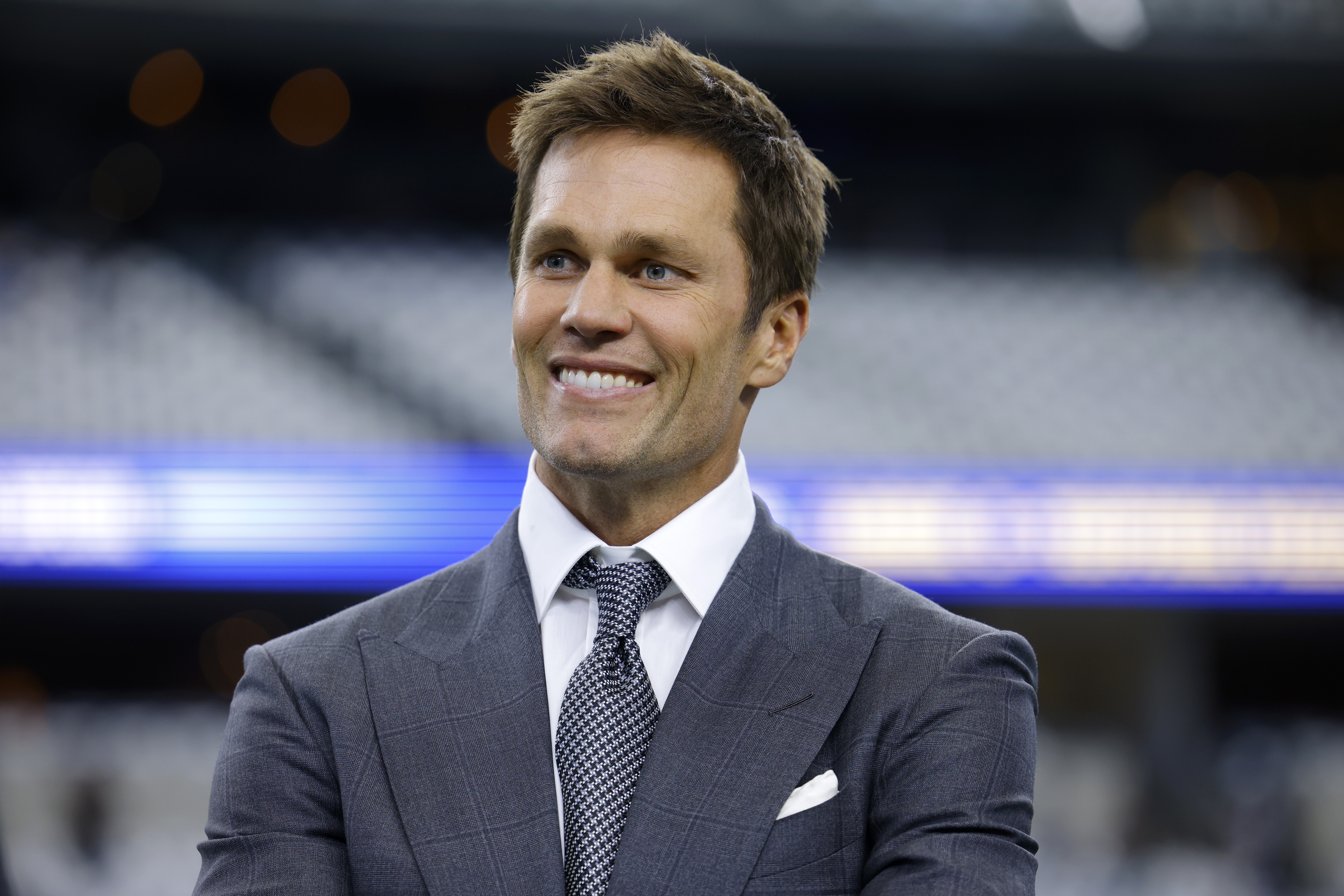
Although Tom Brady has often had the upper hand against almost every player he faced, he wasn’t exempt from the physical impacts of one of the league’s toughest defenders, Ray Lewis, and admits he still experiences issues today.
While the seven-time Super Bowl champion holds impressive career statistics against nearly all teams and opponents, he recently revealed that a hit from Lewis had a significant effect on him. Literally.
Brady made a lighthearted remark about Lewis during an episode of his YouTube series: “That guy is still responsible for the shoulder pain I have,”
Despite his humorous tone, his comments hinted at the genuine consequences of one of the few defeats he encountered against the Baltimore Ravens in the 2009 AFC Wild Card game.
This game represents a rare mark in Brady’s otherwise exceptional playoff performance. During that match, he was taken down early by both Ray Lewis and Ed Reed, two Hall of Famers who exemplified the fierce defensive nature of their team.
Tom Brady opens up on preventing injuries
The effects of that game transcended the final score. As Brady shares, the physical toll he experienced that day, especially from Lewis, influenced his approach to fitness, rehabilitation, and preparation for the rest of his career.
The former quarterback of the Patriots and Buccaneers stressed that preventing injuries in the NFL relies not only on skill but also on total dedication on and off the field.
Brady continued: “When you’re getting hit, there’s a discipline with your physical body that you need to take into account,”
Because if you f**k around, you’re gonna get hurt.
“You don’t mess around with your training, because you will pay the price.”
The hits from Lewis not only caused physical pain but also served as strong reminders to Brady of the risks involved every time he stepped onto the field. This awareness inspired his renowned commitment to training, which includes his strict TB12 Method.
This method encompasses his plant-based diet, flexibility work, and extensive film analysis, all of which contributed to his ability to remain competitive into his 40s, culminating in a Super Bowl win with the Tampa Bay Buccaneers toward the end of his career.